ZeroC Project Online Training for Students: Advancing Knowledge for a Sustainable Maritime Future
he ZeroC Project successfully organized an engaging and impactful online training program designed specifically for students, bringing together leading experts from prominent European partner universities. The initiative served as a dynamic platform for knowledge exchange, focusing on critical themes related to the decarbonization of the maritime sector—one of the most pressing challenges in today’s global effort toward sustainability.
This comprehensive training reflected the ZeroC Project’s commitment to equipping the next generation of maritime professionals with the tools, insights, and innovative thinking required to navigate the transition toward a low-emission and environmentally responsible industry.
A Collaborative Learning Experience
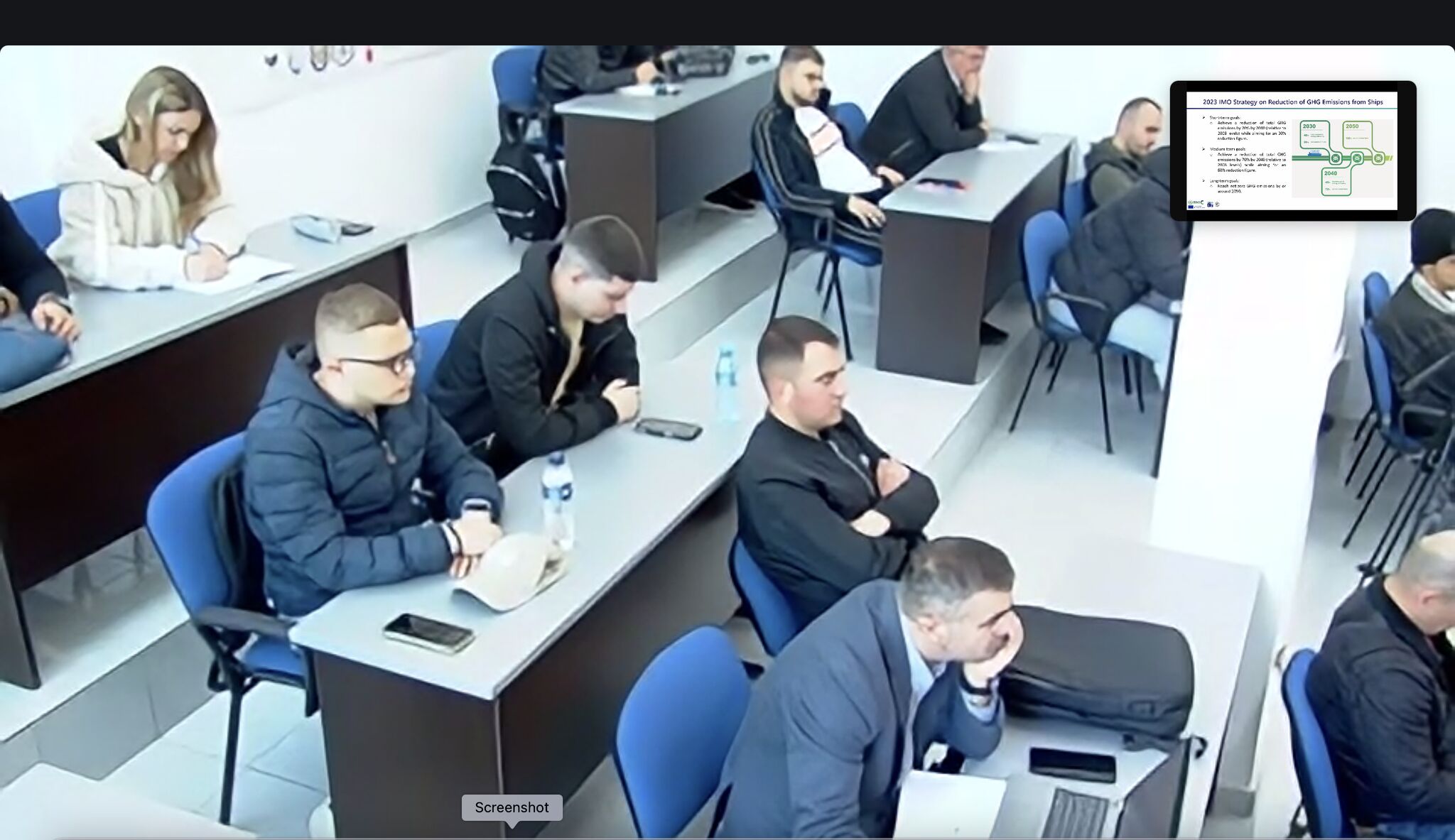
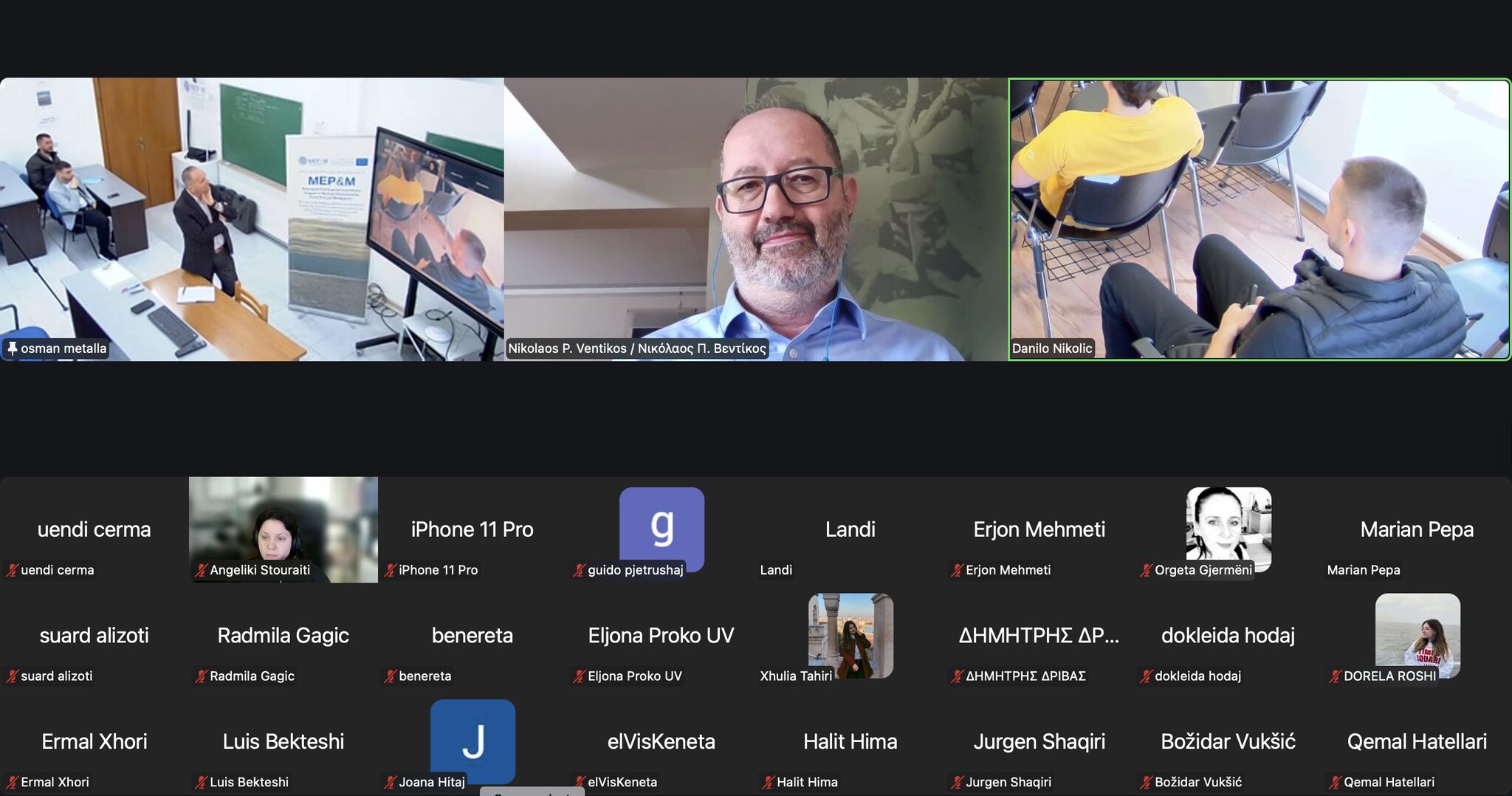
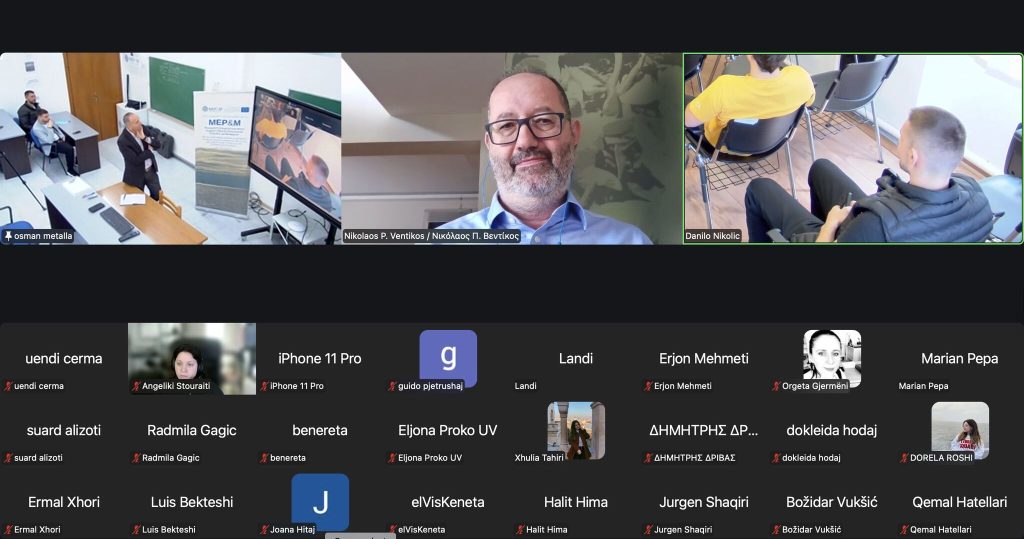
The online format enabled participation from a diverse group of students, fostering an inclusive and interactive learning environment that transcended geographical boundaries. Experts shared not only theoretical knowledge but also practical insights drawn from research, industry applications, and real-world case studies.
The training emphasized interdisciplinary collaboration, highlighting how engineering, logistics, digital technologies, and environmental science intersect in shaping the future of maritime operations.
Day 1: Foundations of Maritime Decarbonization
The first day of the training focused on key technological and operational strategies aimed at reducing emissions across maritime activities.
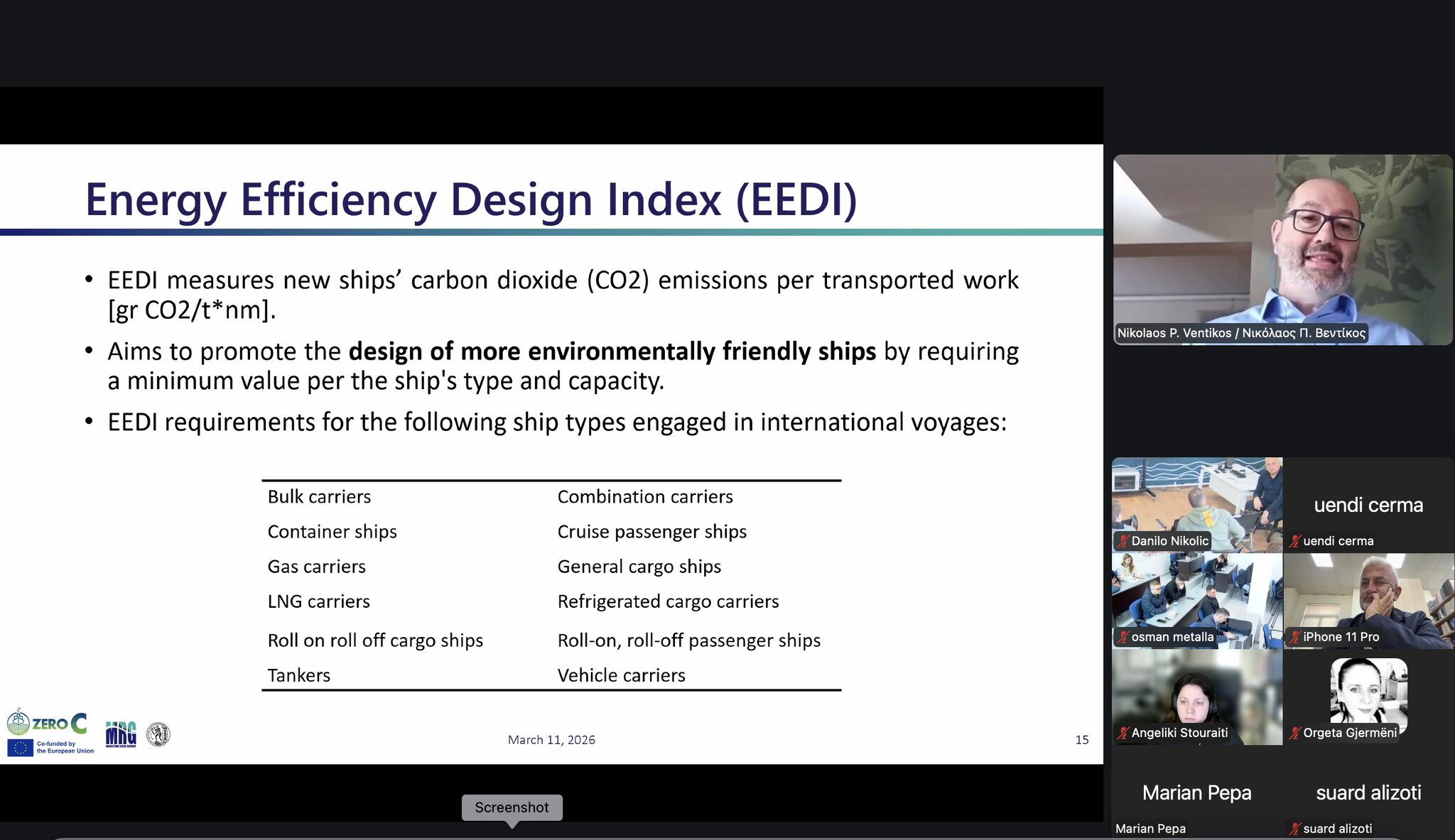
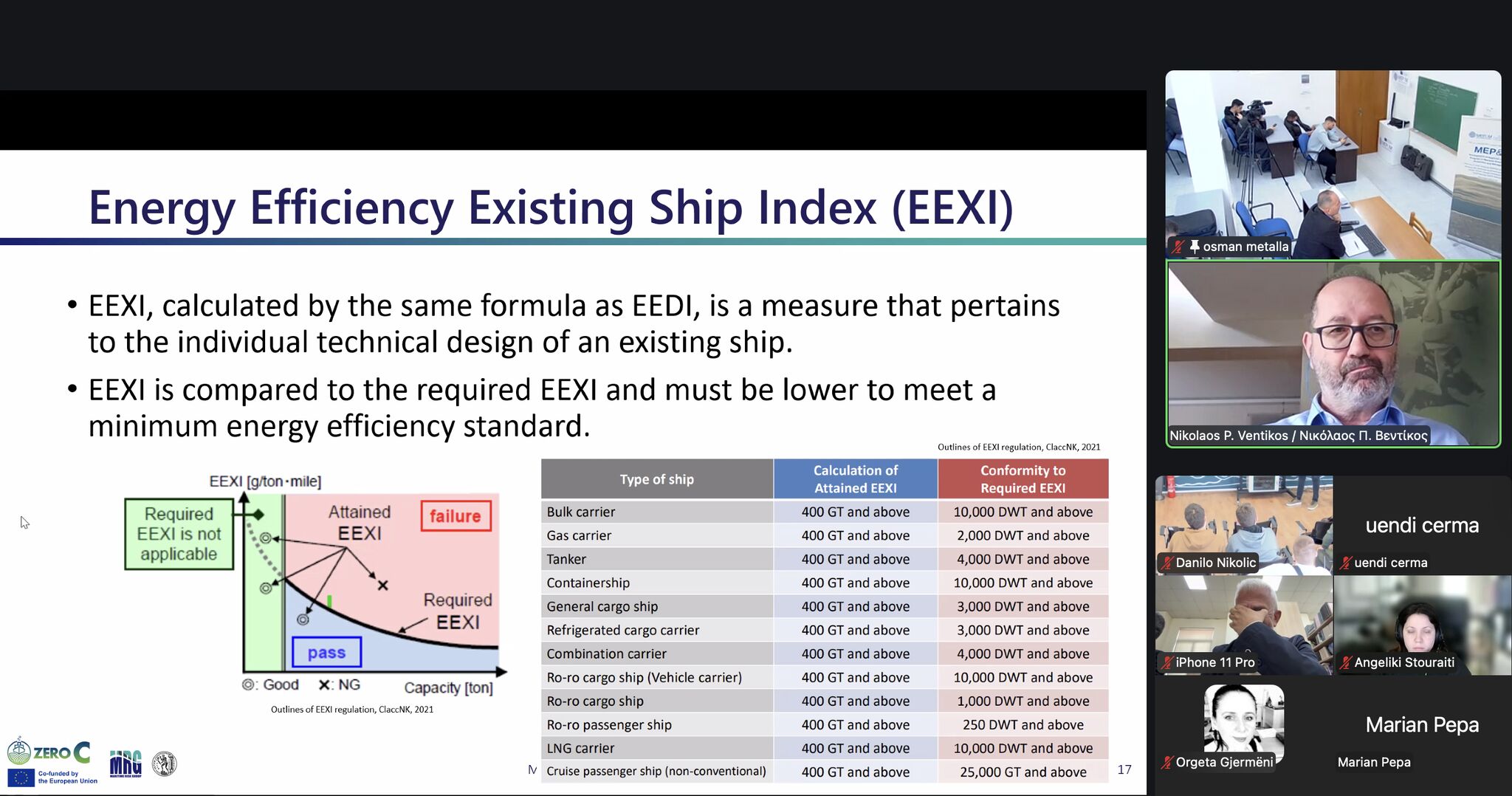
- Energy Efficiency in Shipping – Nikolaos P. Ventikos (NTUA)
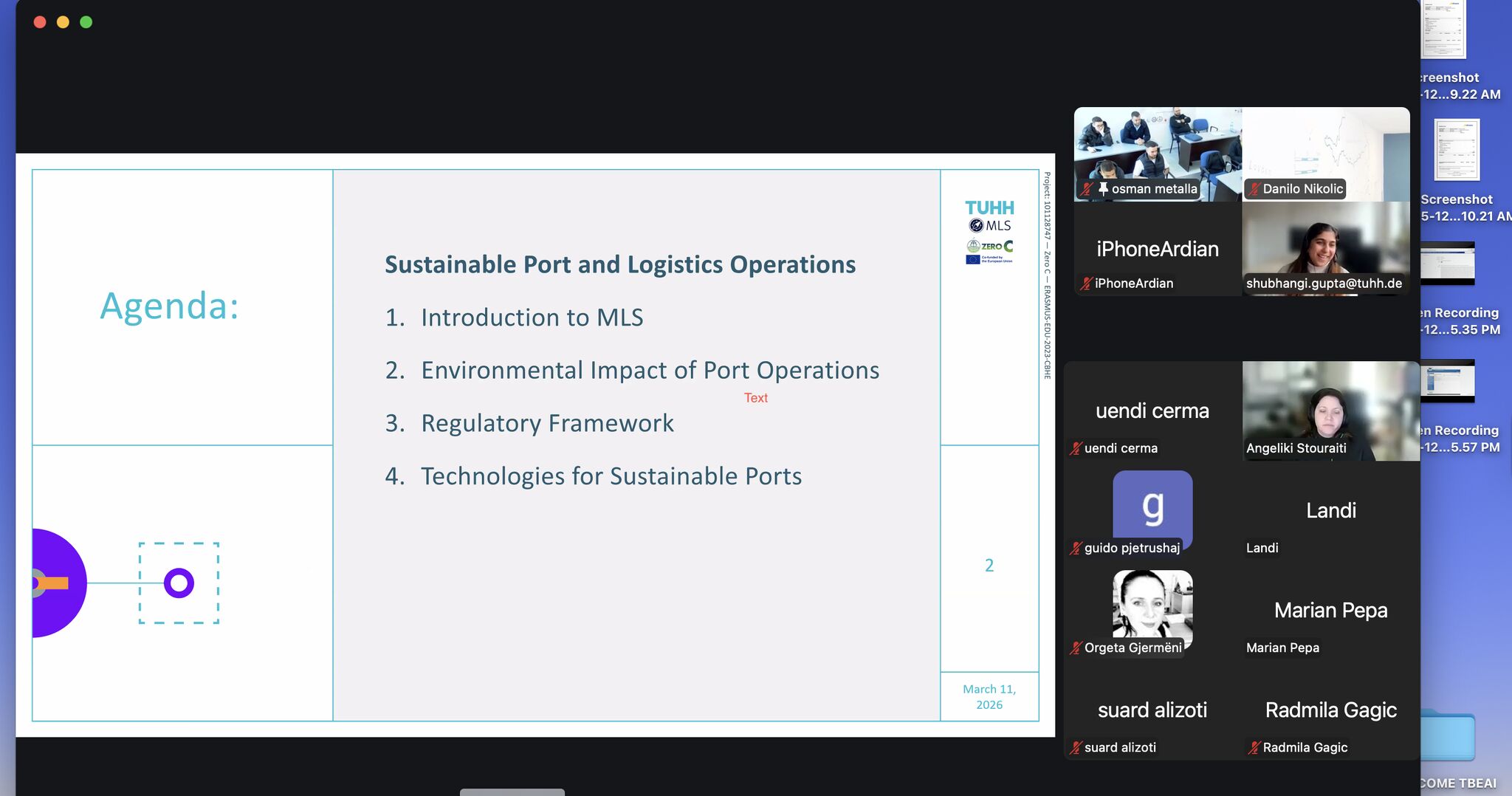
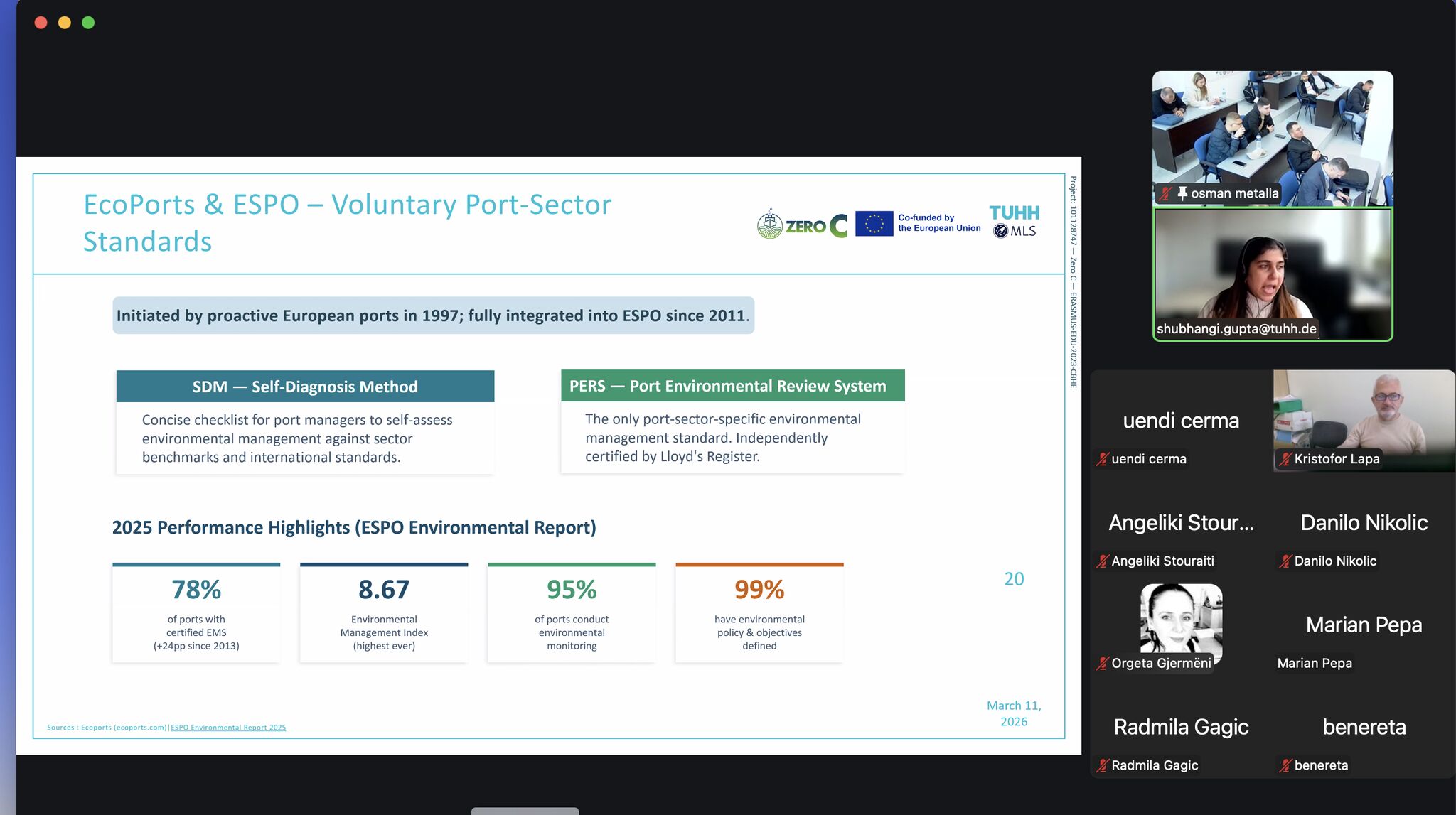
This session explored methods to enhance energy performance in shipping, including optimized vessel design, operational efficiency measures, and the integration of energy-saving technologies. Participants gained insights into how incremental improvements can collectively lead to significant emission reductions. - Sustainable Port and Logistics Operations – Shubhangi Gupta (TUHH)
The discussion highlighted the importance of sustainability within port ecosystems and logistics chains. Topics included green port strategies, efficient cargo handling, and the role of coordination among stakeholders in minimizing environmental impact. - Marine Alternative Fuels and Propulsion – Demetrios Drivas (NTUA)
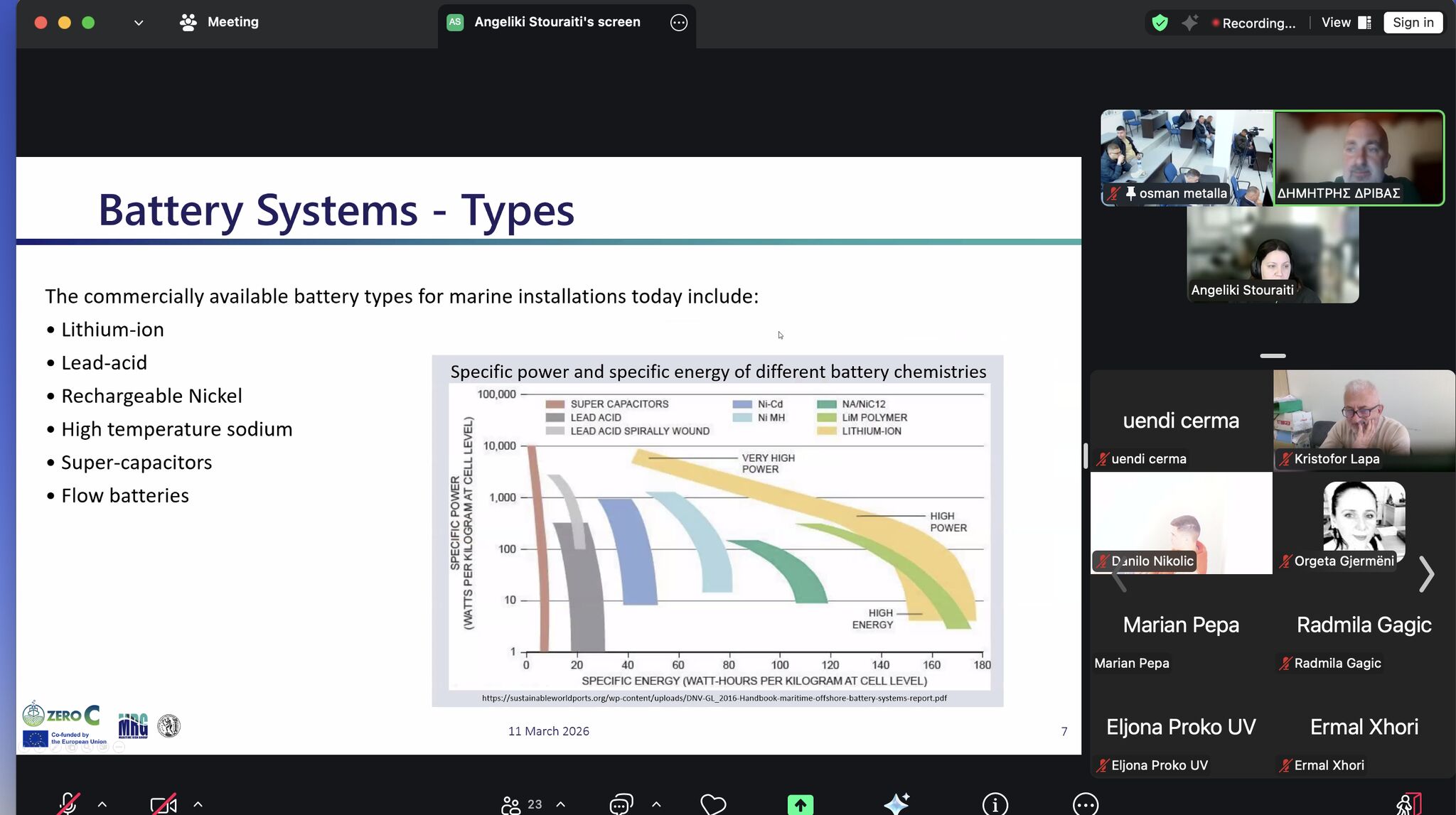
This session introduced participants to emerging alternative fuels such as hydrogen, ammonia, and biofuels, alongside advancements in propulsion systems. The presentation emphasized both the opportunities and challenges associated with transitioning away from conventional fossil fuels.
Day 2: Digitalization and Innovation in Maritime Systems
The second day shifted focus toward technological innovation, digital transformation, and smart solutions that are redefining maritime operations.
- Logistics Sectors (Load Capacity and Planning, etc.) – M. Labellarte (ITS)
Participants explored how efficient planning and optimization in logistics can significantly improve operational performance and reduce emissions. The session covered capacity management, route optimization, and integrated logistics systems. - Blockchain and Smart Contracts – V. Vitiello (ITS)
This forward-looking session examined the application of blockchain technology in maritime logistics. Students learned how transparency, security, and automation through smart contracts can streamline processes and enhance trust across supply chains. - Port Automation & Digitalization – Marvin Kastner (TUHH)
The final session focused on the role of automation and digital tools in modern ports. From smart infrastructure to data-driven decision-making, the presentation showcased how digitalization can improve efficiency while supporting sustainability goals.
Empowering Future Maritime Professionals
The ZeroC online training was not only an educational initiative but also a forward-looking investment in human capital. By exposing students to cutting-edge developments and expert perspectives, the program aimed to:
- Strengthen understanding of sustainable maritime technologies
- Promote awareness of zero-emission solutions and environmental challenges
- Encourage critical thinking and innovation
- Foster international collaboration and networking among students and experts
Participants left the training with a deeper appreciation of the complexities and opportunities within the maritime sector, as well as a clearer vision of their potential role in driving change.
Looking Ahead
As the maritime industry continues its transition toward decarbonization, initiatives like the ZeroC Project play a vital role in bridging the gap between academia, research, and industry. The success of this online training underscores the importance of continuous learning, collaboration, and innovation in addressing global challenges.
By empowering students with knowledge and inspiration, the ZeroC Project is actively contributing to the development of a new generation of professionals ready to lead the maritime sector toward a more sustainable and resilient future.