Implementation of Lifelong Learning (LLL) Courses under the Zero-C Project at the University “Aleksandër Moisiu” of Durrës
In accordance with the Statute and academic regulations of the University “Aleksandër Moisiu” of Durrës (UAMD), the Department of Engineering and Maritime Sciences within the Faculty of Professional Studies remains fully committed to strengthening maritime education, professional training, and skills development in Albania. As the maritime industry undergoes a profound transformation driven by digitalization, environmental regulations, and the transition towards low-carbon and zero-emission shipping, higher education institutions have an increasingly important role in equipping current and future maritime professionals with the knowledge and competencies required to meet these challenges. To support this mission, the Department continuously develops and delivers professional development initiatives, lifelong learning (LLL) programs, and specialized training courses designed to respond to the evolving needs of the maritime transport, logistics, and port sectors.
These initiatives aim not only to enhance the qualifications of maritime professionals but also to strengthen cooperation between academia, industry, public authorities, and international partners in promoting sustainable maritime development. Within the framework of the Erasmus+ Capacity Building in Higher Education Project Zero-C – Advancing Zero-Carbon Maritime Transport and Logistics through Skills Development and Capacity Building, UAMD undertook the responsibility of establishing and delivering two specialized professional training courses dedicated to maritime energy efficiency, environmental protection, and decarbonization. These courses were designed to address the growing demand for new competencies emerging from the global transition towards greener shipping and sustainable maritime operations. The two professional training courses developed and implemented under the project are: 1. Principles of Energy Management and Environmental Protection in the Maritime Industry 2. IMO Model Course 4.05 – “Ship Energy Efficiency and Decarbonization” The establishment and implementation of these courses were formally approved by the Senate of the University “Aleksandër Moisiu” of Durrës through Decision No. 16, dated 04.02.2026, “On the Opening of Professional Lifelong Learning Courses at the Faculty of Professional Studies.” This decision reflects the University's strategic commitment to expanding continuing education opportunities and supporting workforce upskilling in priority sectors of the Albanian economy, including maritime transport and logistics. The new professional training programs were organized and delivered by the Department of Engineering and Maritime Sciences during June 2026. Their development represented the culmination of extensive academic work carried out within the Zero-C Project, including curriculum modernization activities, participation in international workshops, staff training sessions, and collaboration with European higher education institutions and industry stakeholders. The programs benefited from the expertise and experience gained through numerous capacity-building activities implemented by project partners from Albania, Montenegro, Greece, Germany, and Italy. The delivery of these courses relied on UAMD’s academic capacities, modern teaching facilities, and specialized maritime training infrastructure. Equally important was the valuable contribution of experts from partner universities and organizations involved in the Zero-C Project. Through a series of international training events, workshops, and knowledge-transfer activities organized throughout the project lifecycle, academic staff from UAMD, the University of Vlora, and the University of Montenegro acquired advanced knowledge and practical experience related to energy-efficient ship operations, alternative marine fuels, environmental management, and maritime decarbonization strategies.
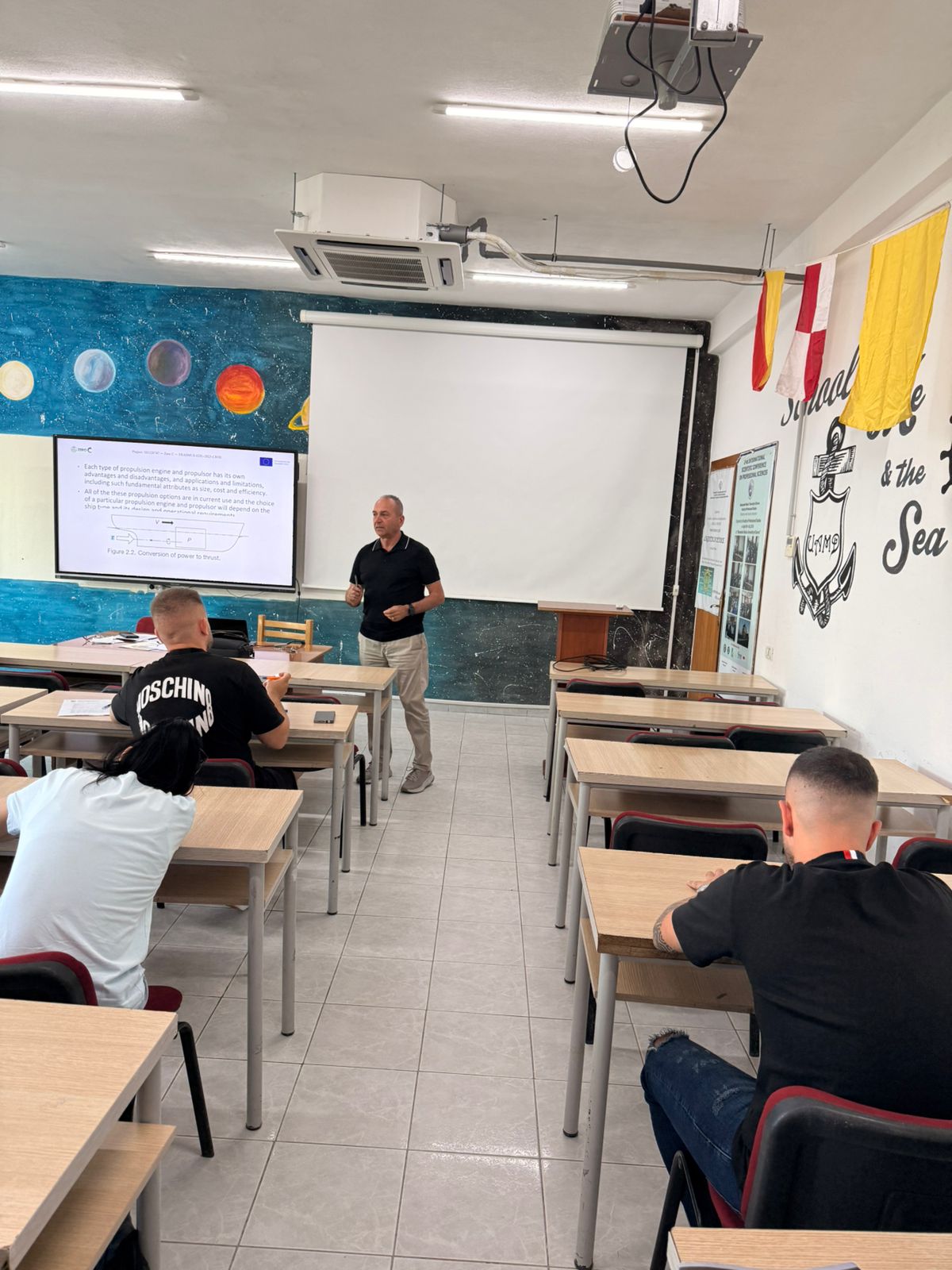
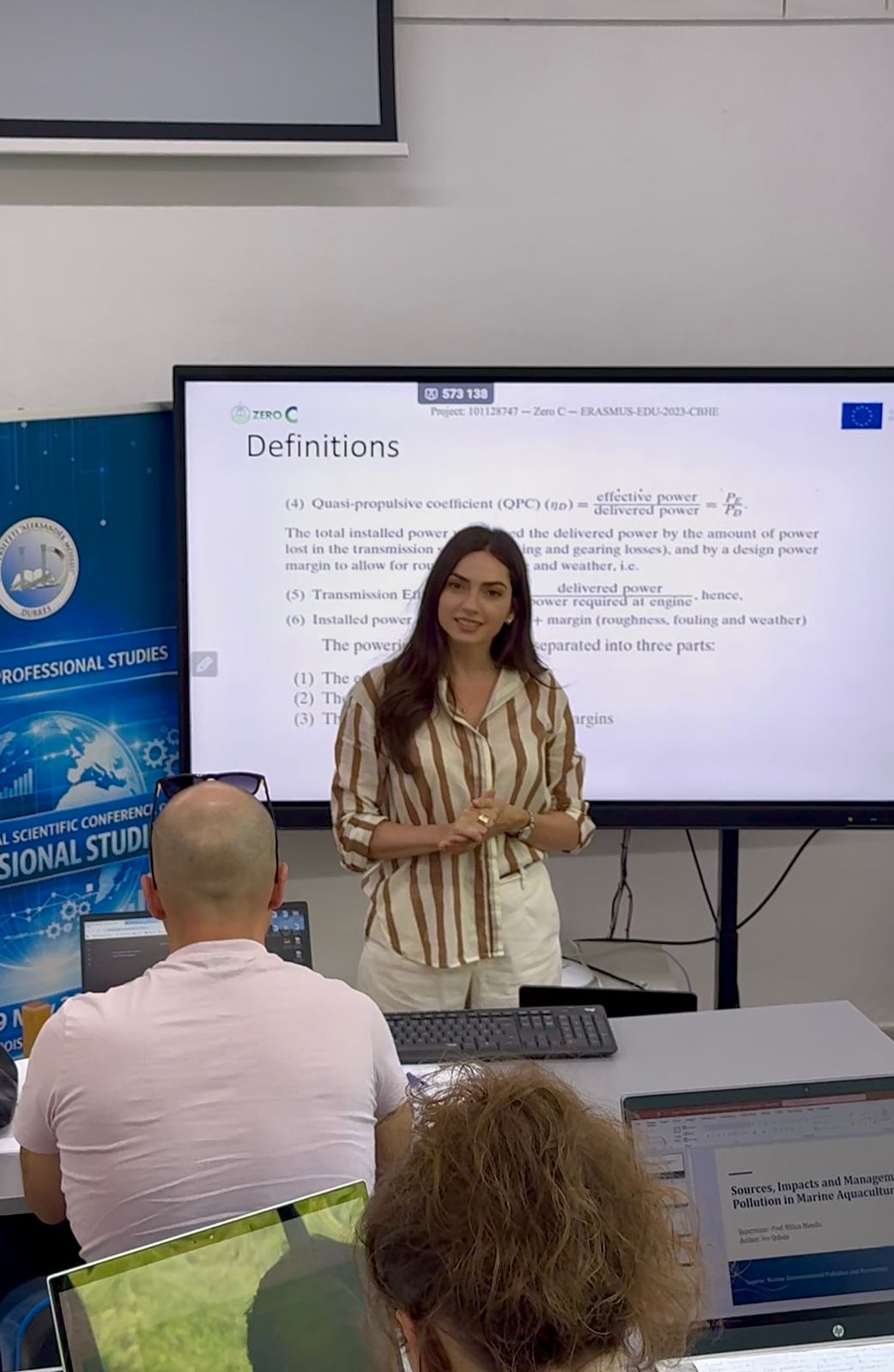
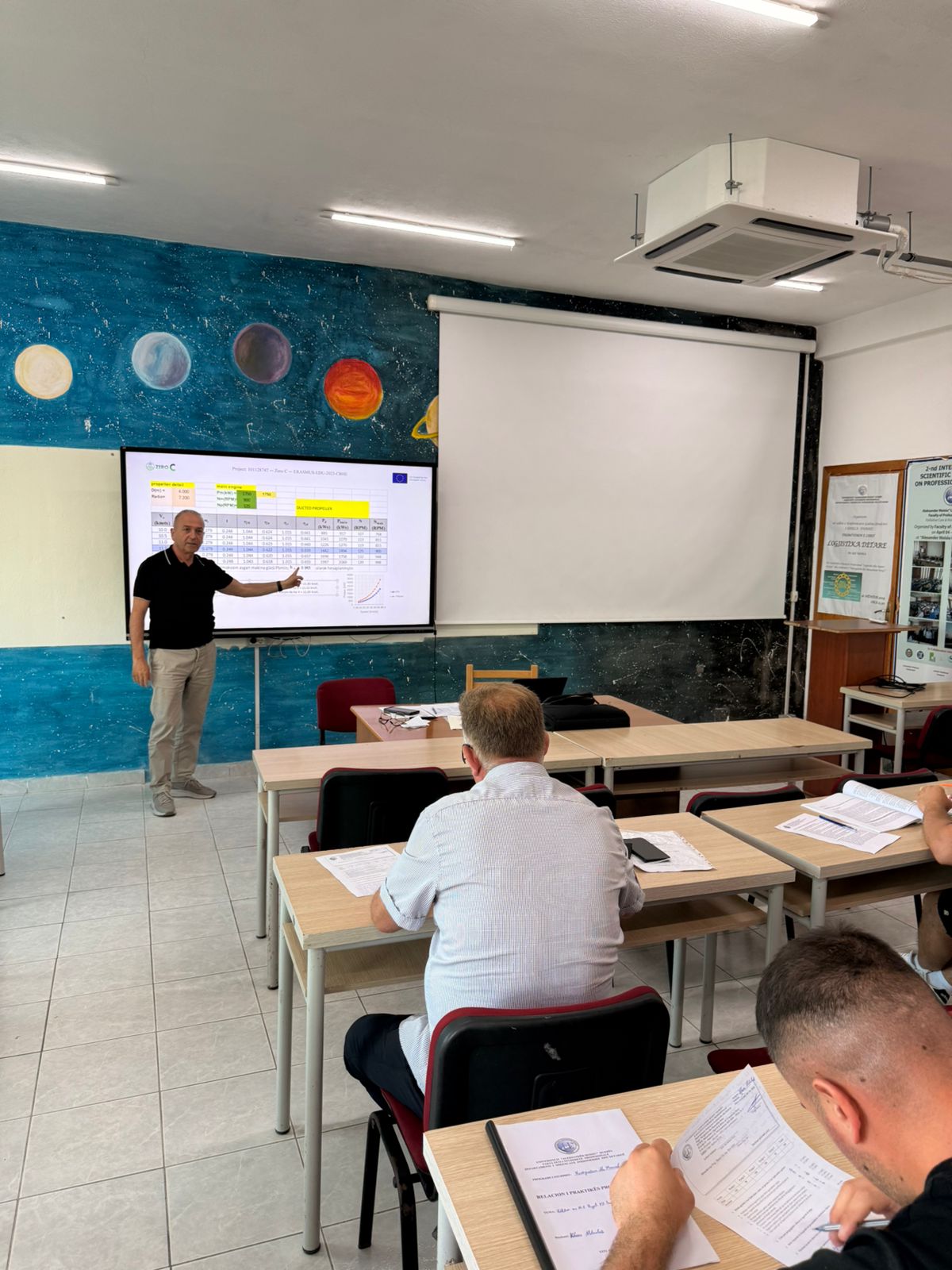
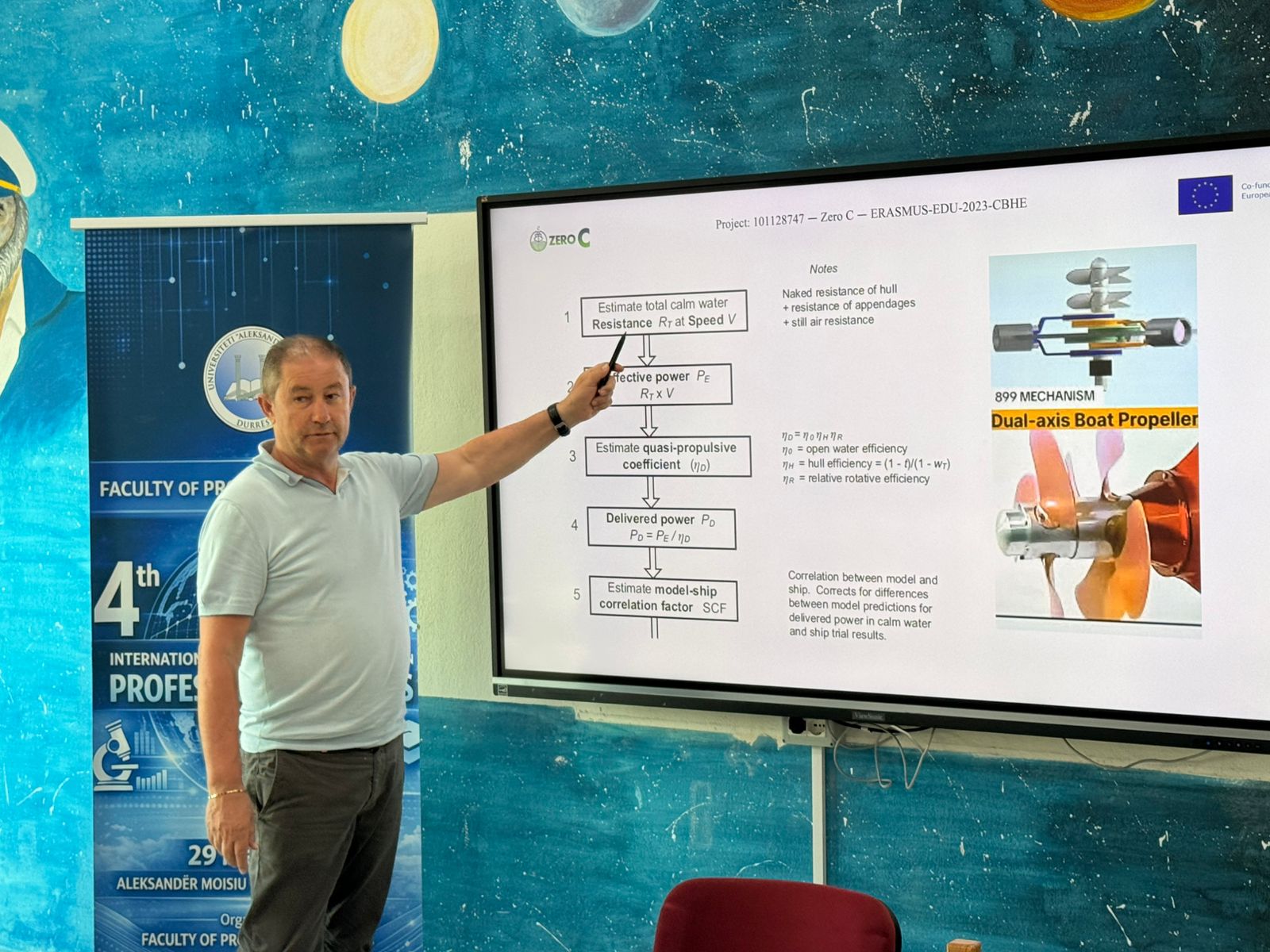
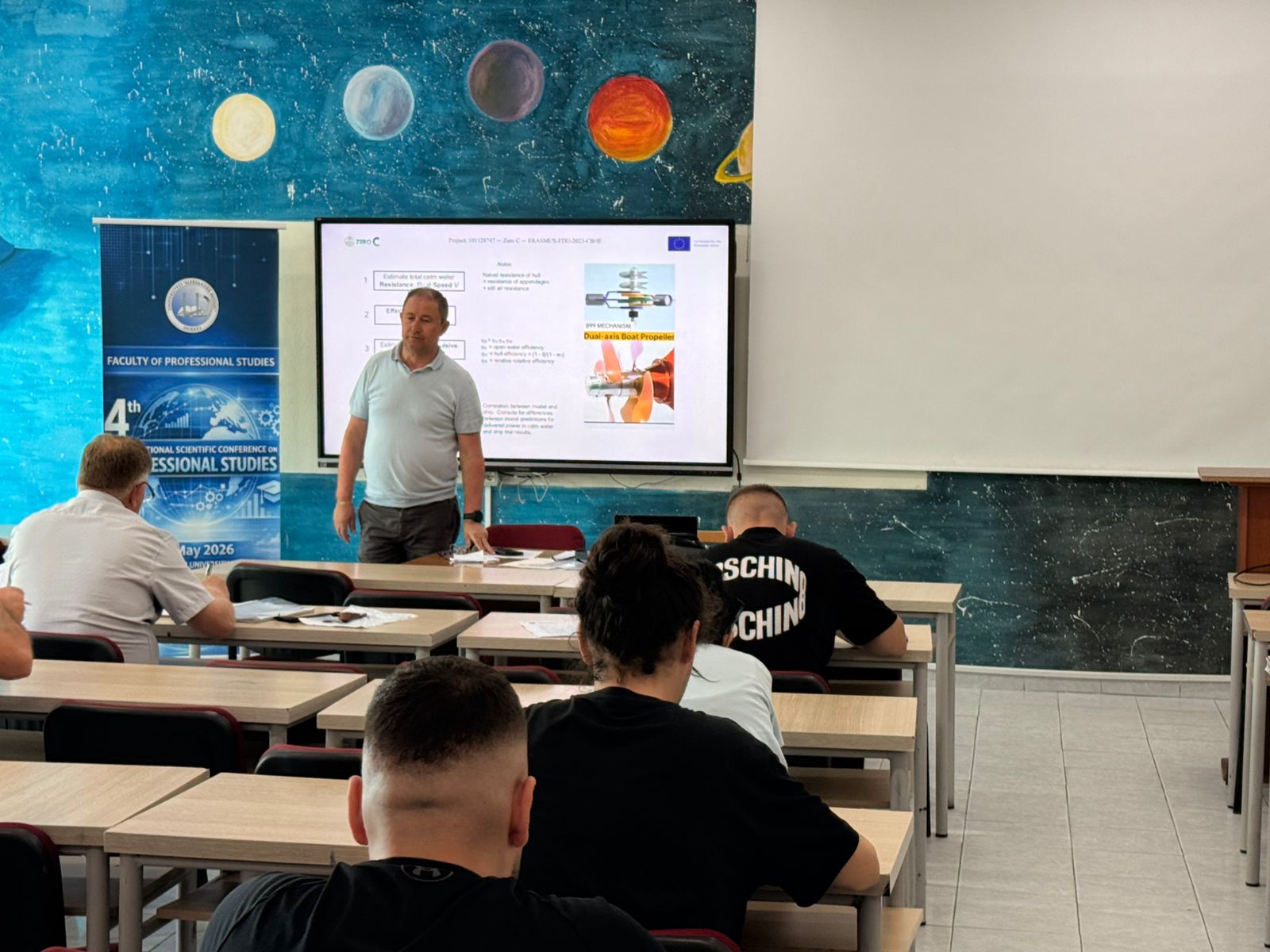
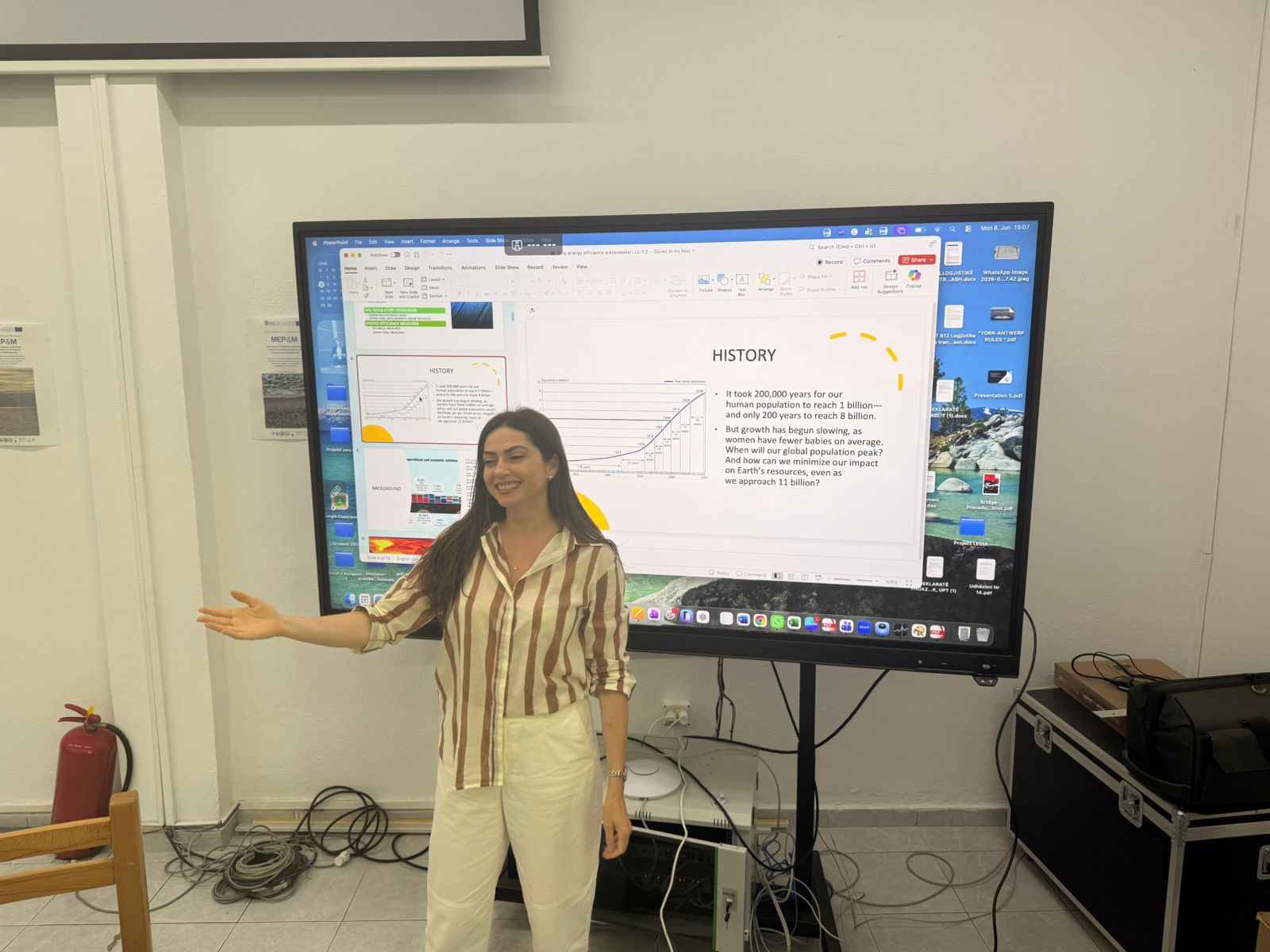
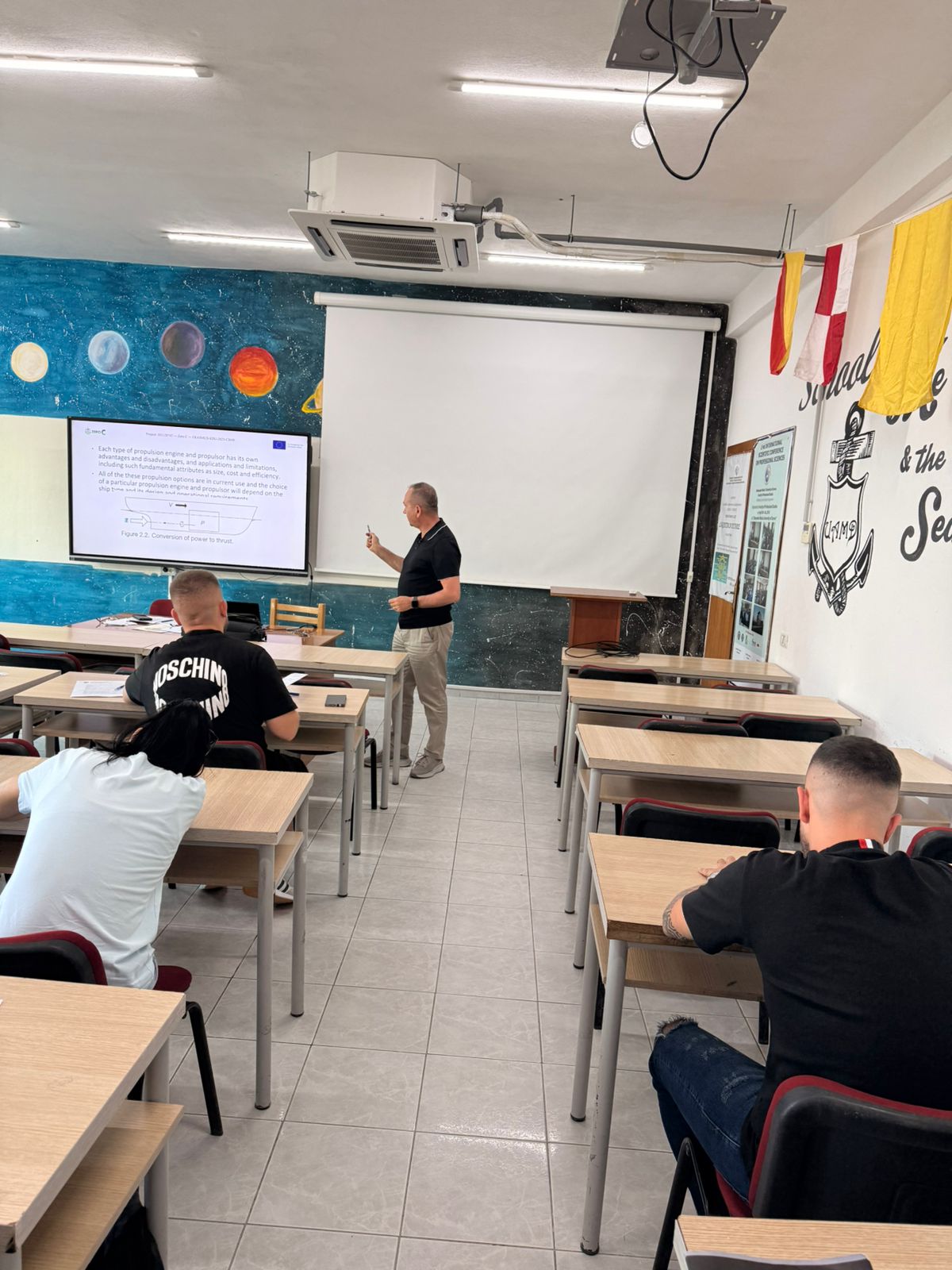
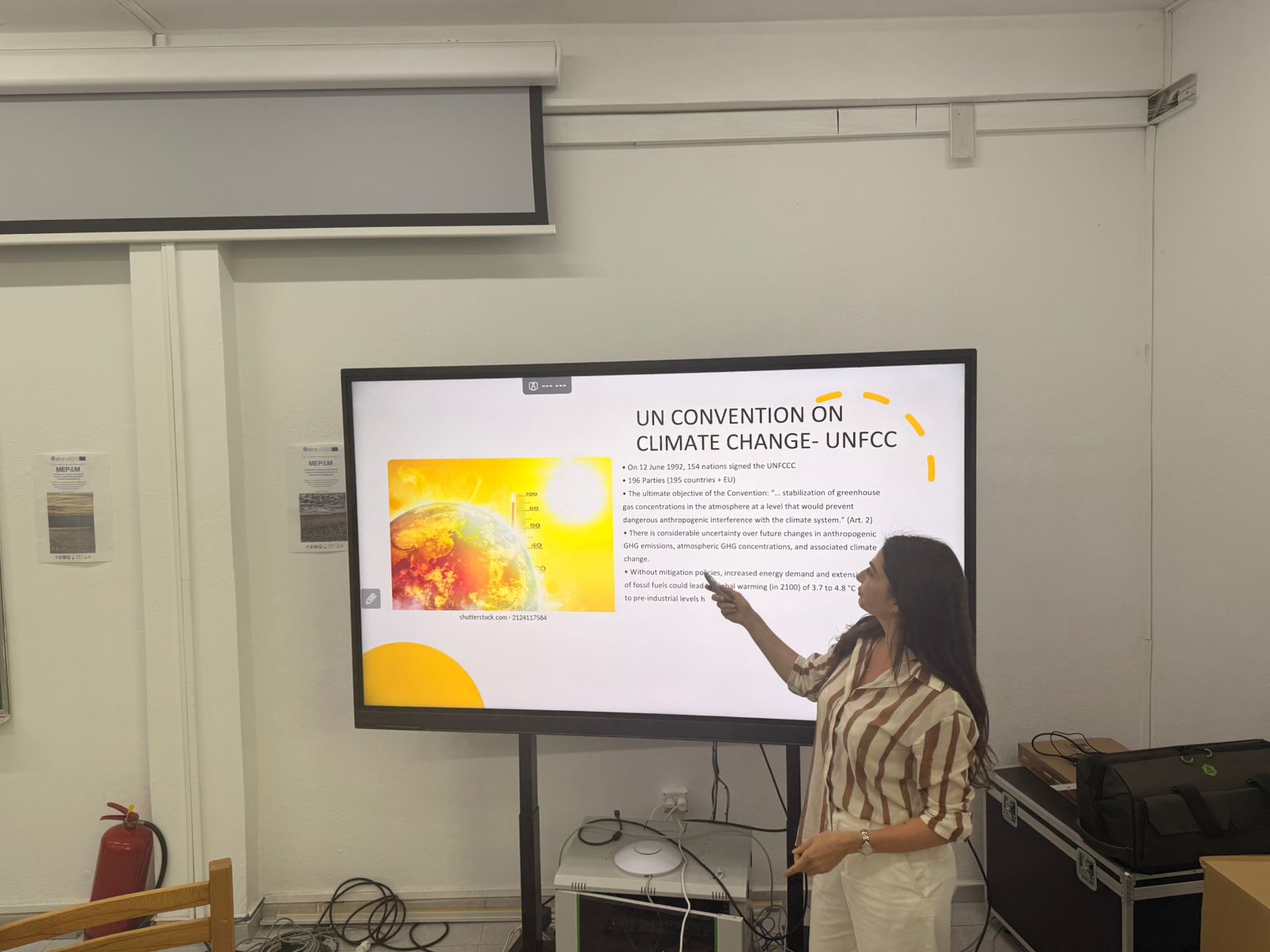
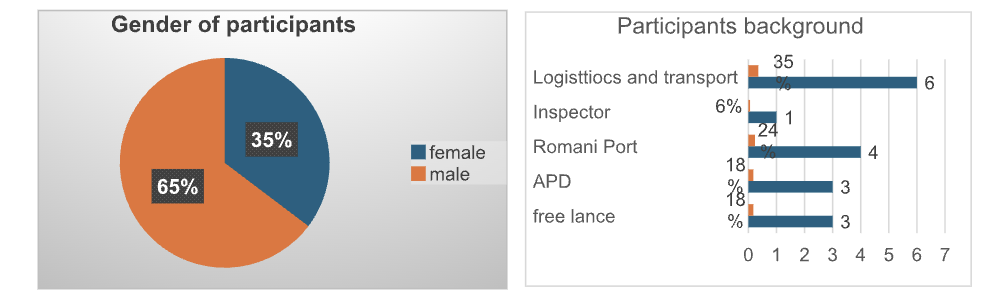
This expertise was subsequently integrated into the design and implementation of the lifelong learning courses. The primary objective of these training programs was to raise awareness among maritime companies, port operators, logistics providers, maritime administrations, and other stakeholders regarding the emerging competencies required to achieve the decarbonization and sustainability goals of the maritime sector. Emphasis was placed on understanding the technological, operational, environmental, and regulatory changes that are reshaping the industry at both European and global levels. The courses provided participants with a comprehensive overview of current and future challenges facing maritime transport, including greenhouse gas emission reduction targets, energy efficiency requirements, alternative fuel technologies, environmental compliance obligations, and sustainable port operations. Furthermore, the courses sought to contribute to the development of a skilled workforce capable of supporting the implementation of international climate policies and environmental regulations within the maritime sector. By enhancing the knowledge and competencies of professionals already active in the industry, the programs also supported the broader objectives of lifelong learning, professional mobility, and continuous workforce development. The content of both courses was developed in full alignment with international standards, regulatory frameworks, and industry best practices. Attention was given to the requirements established by the International Maritime Organization (IMO) and the European Union, which increasingly emphasize the transition towards greener and more energy-efficient maritime transport systems. The curricula incorporated the latest developments in maritime environmental legislation, ship energy management practices, emission reduction measures, and sustainable maritime technologies. In particular, the courses were designed in accordance with the recommendations and competency requirements identified in the European Maritime Safety Agency (EMSA) Study on the Identification of Specific Competences for Seafarers on Ships Using Alternative Fuels and Energy Systems (12 December 2024). This study highlights the new knowledge, skills, and competencies that maritime professionals must acquire to safely and effectively operate vessels utilizing alternative fuels and innovative energy systems. In addition, the courses fully reflected the recommendations contained in the Zero-C Project Guidelines for the Modernization and Development of Courses (20 May 2024), which provide a comprehensive framework for integrating sustainability, decarbonization, and green-transition competencies into maritime education and training programs. Delivery of the LLL-1 Course at UAMD The LLL-1 course was successfully organized and delivered by the Department of Engineering and Maritime Sciences, Faculty of Professional Studies, at the University “Aleksandër Moisiu” of Durrës (UAMD). The course was conducted over a four-day period, from 08 June 2026 to 11 June 2026, as part of the university’s commitment to lifelong learning, professional development, and capacity building within the maritime and transport sectors. The training sessions were held in Lecture Rooms 201 and 309, which provided an appropriate academic environment and the necessary technical infrastructure for the effective delivery of the course. Both classrooms were equipped with multimedia presentation systems, internet access, and teaching facilities that enabled interactive lectures, group discussions, case-study analysis, and practical exercises. The facilities ensured that participants could fully engage with the training content and benefit from a modern learning experience. The course brought together 17 participants representing different segments of the maritime and logistics industries. The participant group consisted of 6 female participants (35.3%) and 11 male participants (64.7%), reflecting a positive level of gender diversity and demonstrating the growing involvement of women in maritime and transport-related professions. Participants were selected from a variety of professional backgrounds, allowing for the exchange of experiences and best practices among stakeholders from different sectors. This multidisciplinary composition significantly enriched classroom discussions and contributed to a broader understanding of the challenges and opportunities associated with energy management, environmental protection, and sustainable development in the maritime industry. Throughout the training period, participants actively engaged in lectures, practical exercises, and discussions related to the key themes of the course. The interactive teaching approach encouraged the sharing of professional experiences and facilitated knowledge transfer between academia and industry. Feedback received during the course indicated a high level of satisfaction with both the content and the delivery methodology. The distribution of participants according to their professional sectors is presented in the following graphs. These figures illustrate the diversity of organizations represented in the course and highlight the broad interest of maritime stakeholders in enhancing their competencies in the field of sustainable maritime operations and environmental management. Participant Profile Total participants: 17 Female participants: 6 (35.3%) Male participants: 11 (64.7%) Course duration: 08–11 June 2026 Venue: Lecture Rooms 201 and 309, Faculty of Professional Studies, UAMD Organizing unit: Department of Engineering and Maritime Sciences.
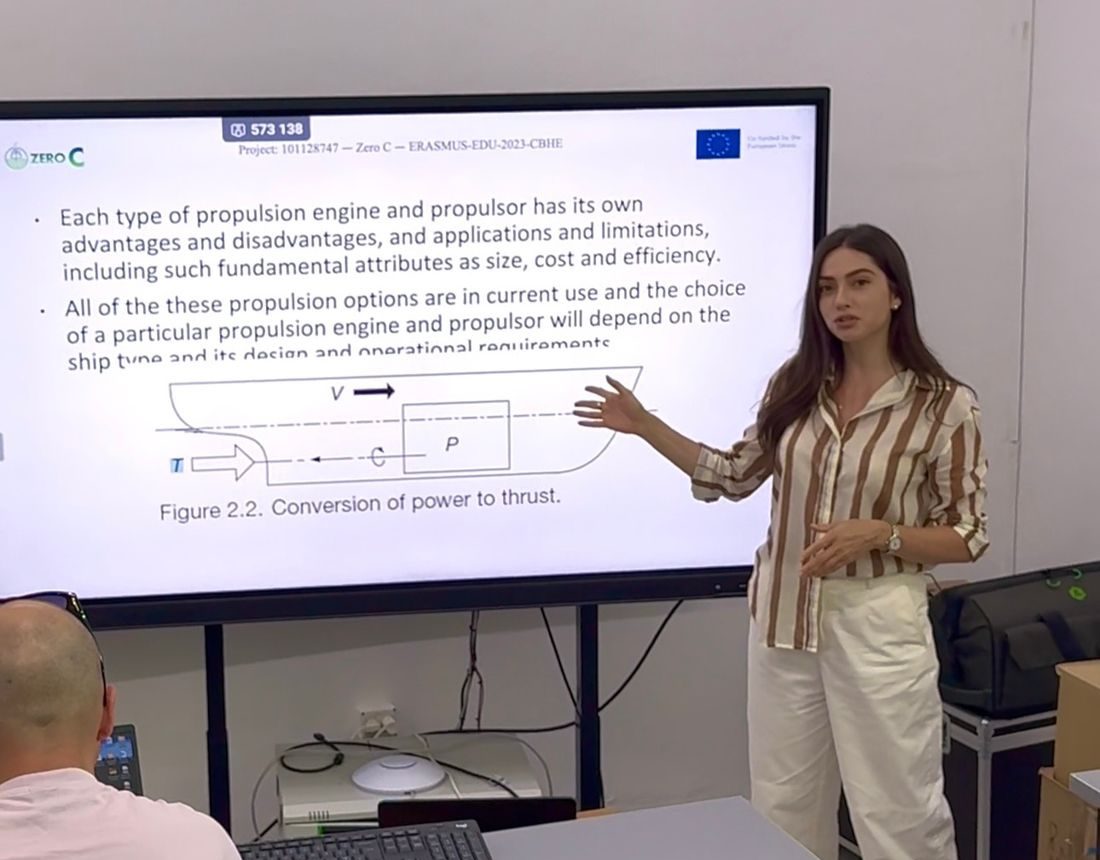
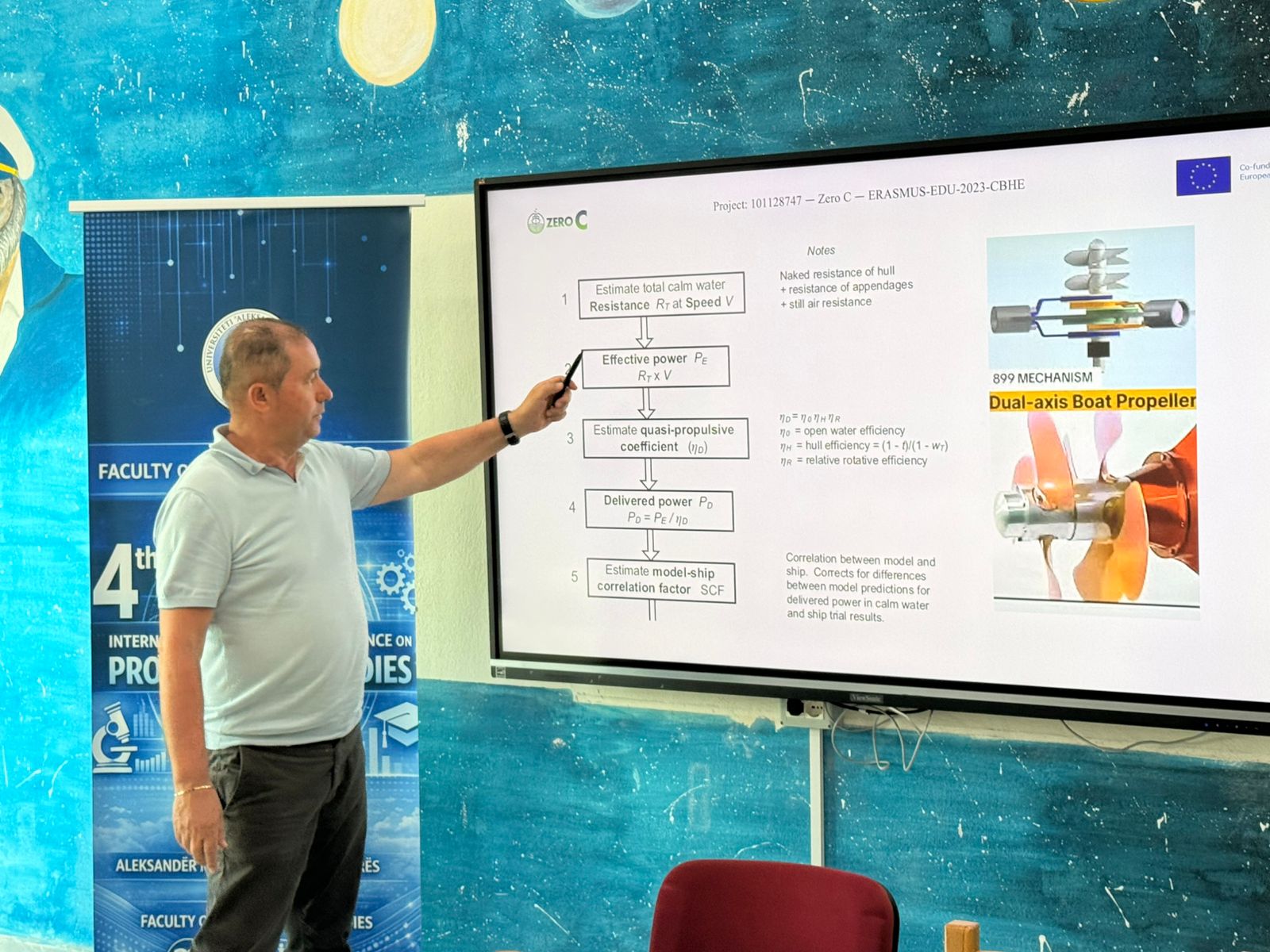
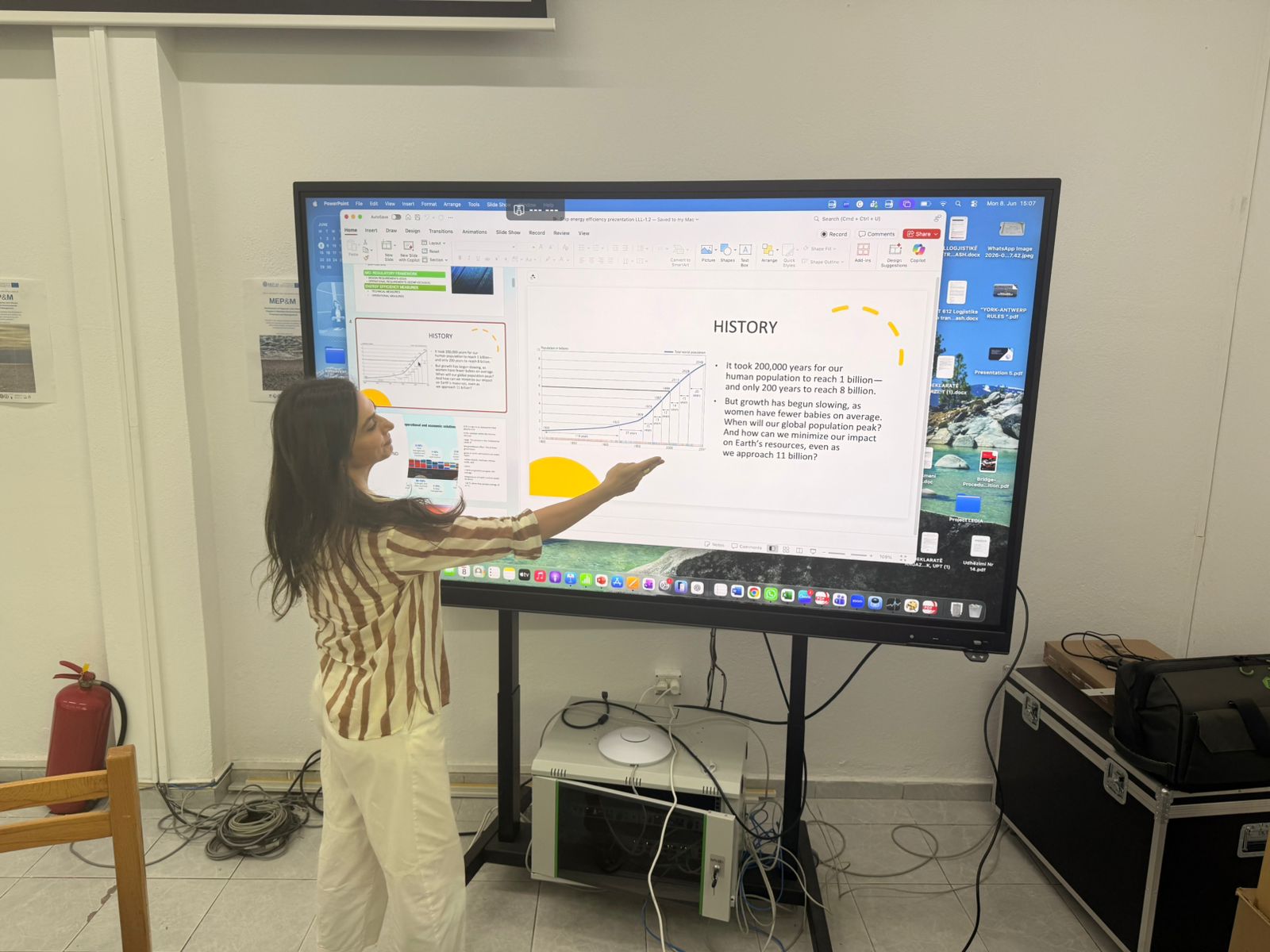
Delivery of the LLL-2 Course: IMO Model Course 4.05 – Ship Energy Efficiency and Decarbonization The LLL-2 training course, entitled “IMO Model Course 4.05 – Ship Energy Efficiency and Decarbonization,” was successfully delivered by the Department of Engineering and Maritime Sciences at the Faculty of Professional Studies, University “Aleksandër Moisiu” of Durrës (UAMD). The course was conducted on 17–18 June 2026 in Classroom 201, a specialized teaching facility primarily used for navigation and maritime education. The classroom provided an appropriate learning environment equipped with multimedia facilities, navigational teaching aids, and modern instructional equipment necessary for the effective delivery of the training program. Unlike the first lifelong learning course, which focused on broader principles of energy management and environmental protection, the LLL-2 course concentrated specifically on the improvement of ship energy efficiency and the decarbonization of maritime transport. These topics are currently among the highest priorities of the international maritime community as the sector seeks to reduce greenhouse gas emissions and achieve the environmental targets established by the International Maritime Organization (IMO). The course was based entirely on the curriculum and learning outcomes defined in the IMO Model Course 4.05 – “Ship Energy Efficiency and Decarbonization.” As a standardized training package developed by the IMO, the course provides participants with internationally recognized knowledge and competencies related to energy-efficient ship operations, greenhouse gas reduction measures, alternative fuels, emerging technologies, and regulatory requirements associated with the maritime industry's transition toward sustainability. The training program covered a broad range of subjects, including: International regulatory frameworks governing maritime decarbonization; IMO strategies and targets for the reduction of greenhouse gas emissions from ships; Energy-efficient ship operation and voyage optimization; Ship Energy Efficiency Management Plans (SEEMP); Energy Efficiency Existing Ship Index (EEXI); Carbon Intensity Indicator (CII); Alternative fuels and emerging propulsion technologies; Best practices for reducing fuel consumption and emissions; Future trends in green shipping and sustainable maritime transport. Given its specialized nature, the course targeted professionals directly involved in maritime administration, port operations, ship management, and maritime education. Participants represented a diverse range of institutions, including the General Maritime Directorate, port authorities, maritime education and training institutions, including UAMD, as well as shipboard personnel and maritime industry practitioners. This mix of participants created a valuable forum for exchanging experiences and discussing practical challenges related to the implementation of decarbonization measures within the Albanian maritime sector. A total of 12 participants successfully attended the course. Their professional backgrounds reflected the growing interest among both public institutions and industry stakeholders in understanding and implementing the latest international requirements concerning maritime sustainability and energy efficiency. Throughout the two-day training, participants actively engaged in lectures, case studies, and discussions focusing on practical applications of IMO regulations and energy-efficiency measures. Particular emphasis was placed on the role of maritime administrations, port authorities, shipping companies, and seafarers in supporting the global transition toward low- carbon and eventually zero-emission shipping.
The successful delivery of the LLL-2 course demonstrates UAMD’s commitment to supporting the modernization of maritime education and training in Albania and aligns with the objectives of the Zero-C Project to strengthen competencies related to green and sustainable maritime transport. By offering internationally recognized training based on IMO standards, UAMD contributes to the development of a skilled workforce capable of addressing the environmental challenges facing the maritime industry in the coming decades. The composition of the participants by professional sector and institutional affiliation is presented in the following graphs. These figures illustrate the diversity of stakeholders involved in the course and highlight the broad relevance of ship energy efficiency and decarbonization issues across the maritime sector.