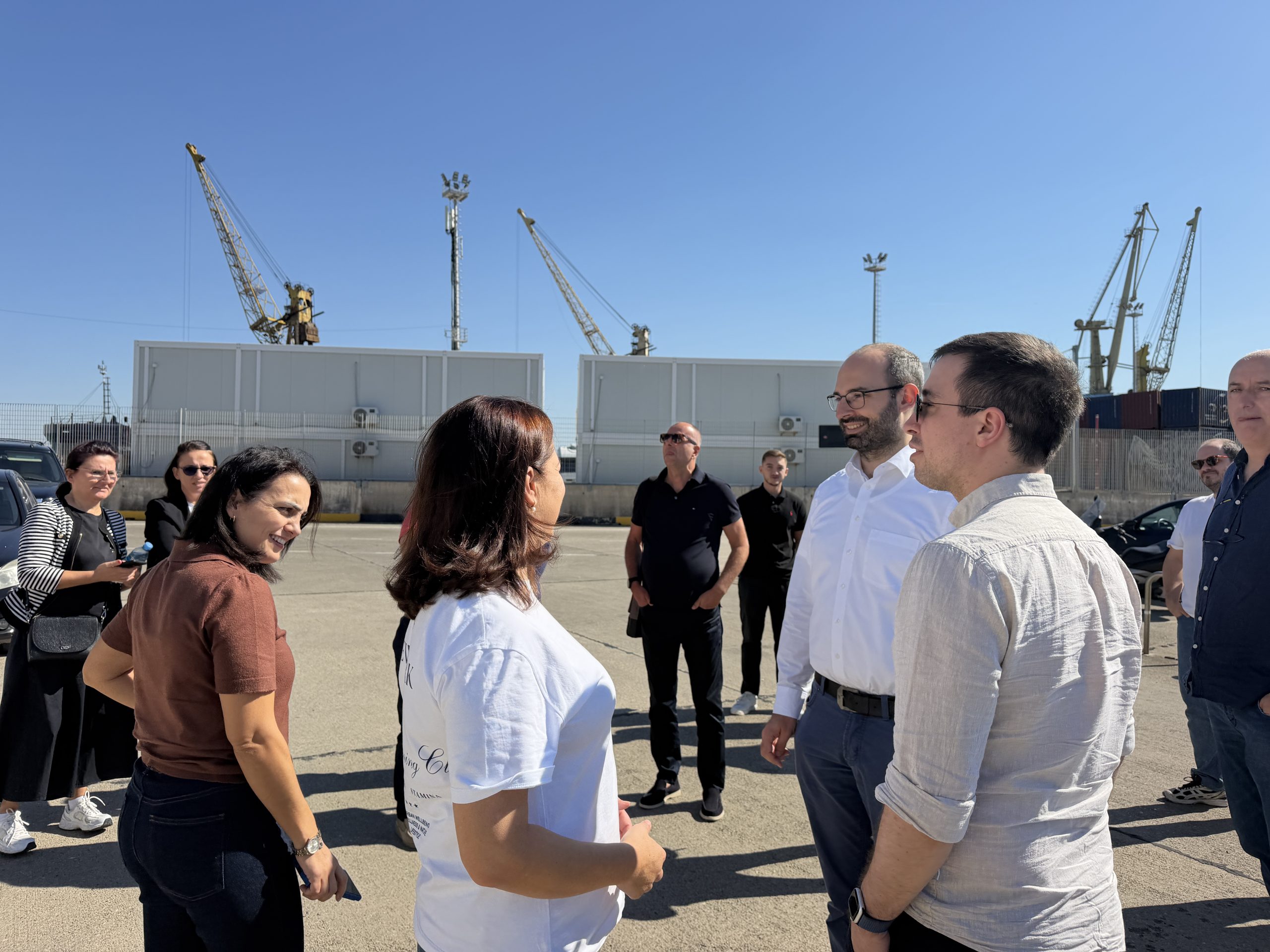
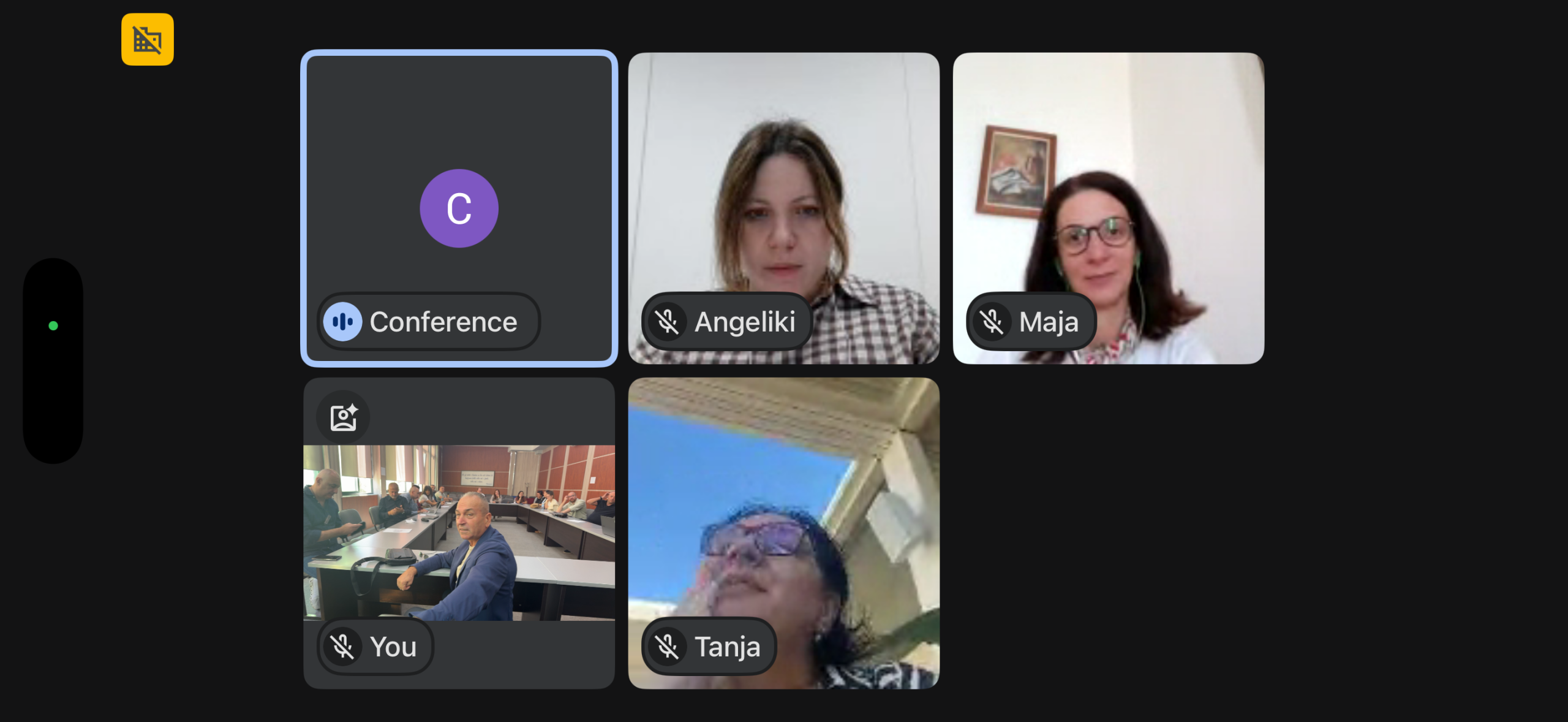
ZERO-C Final Conference in Durrës: Celebrating Achievements and Shaping Future Perspectives
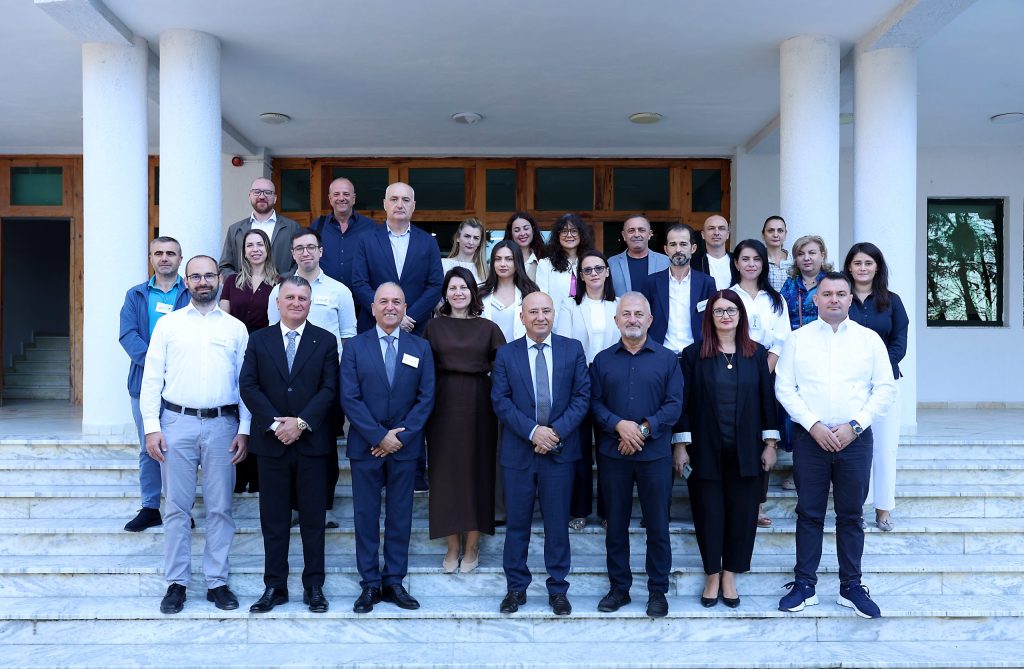
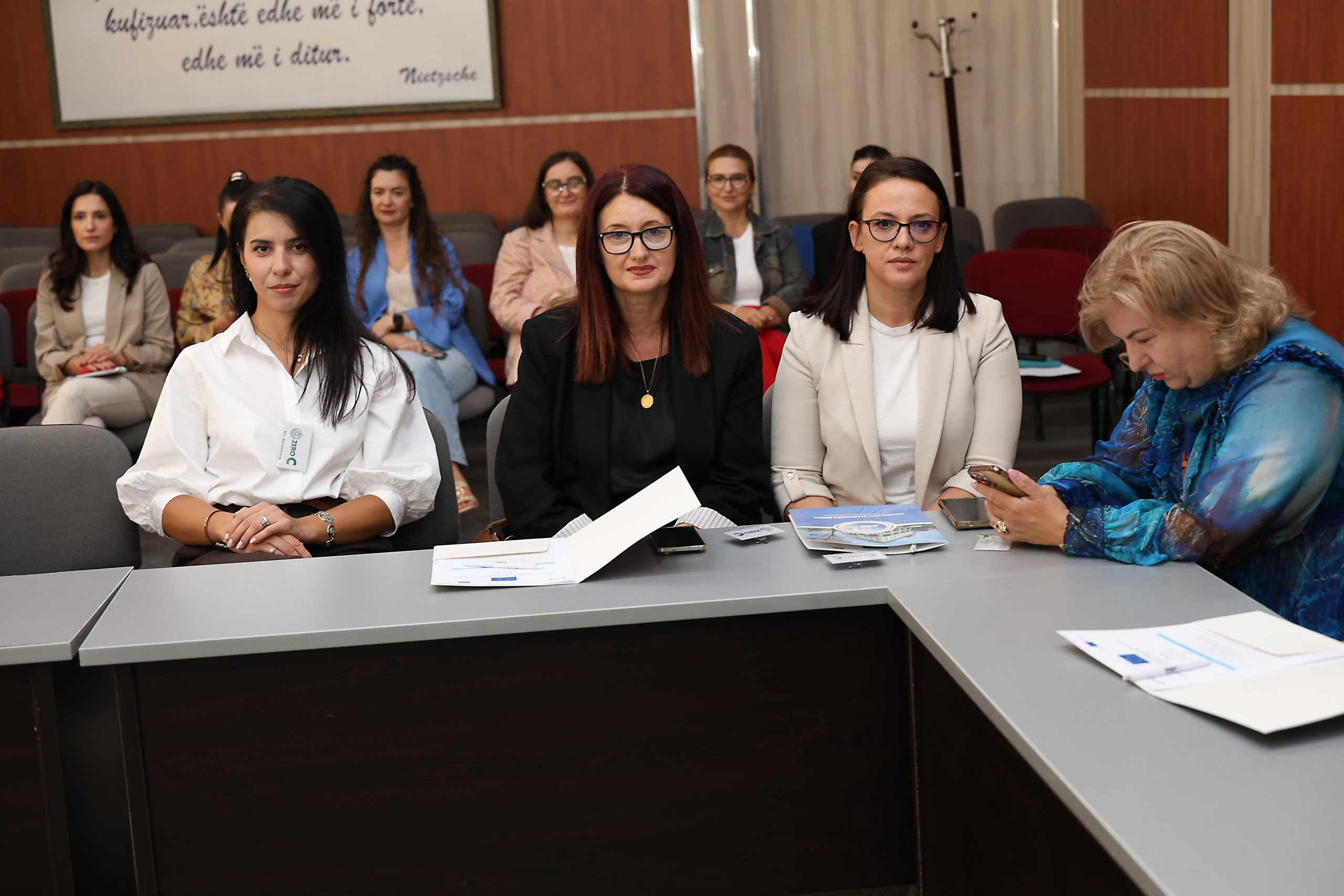
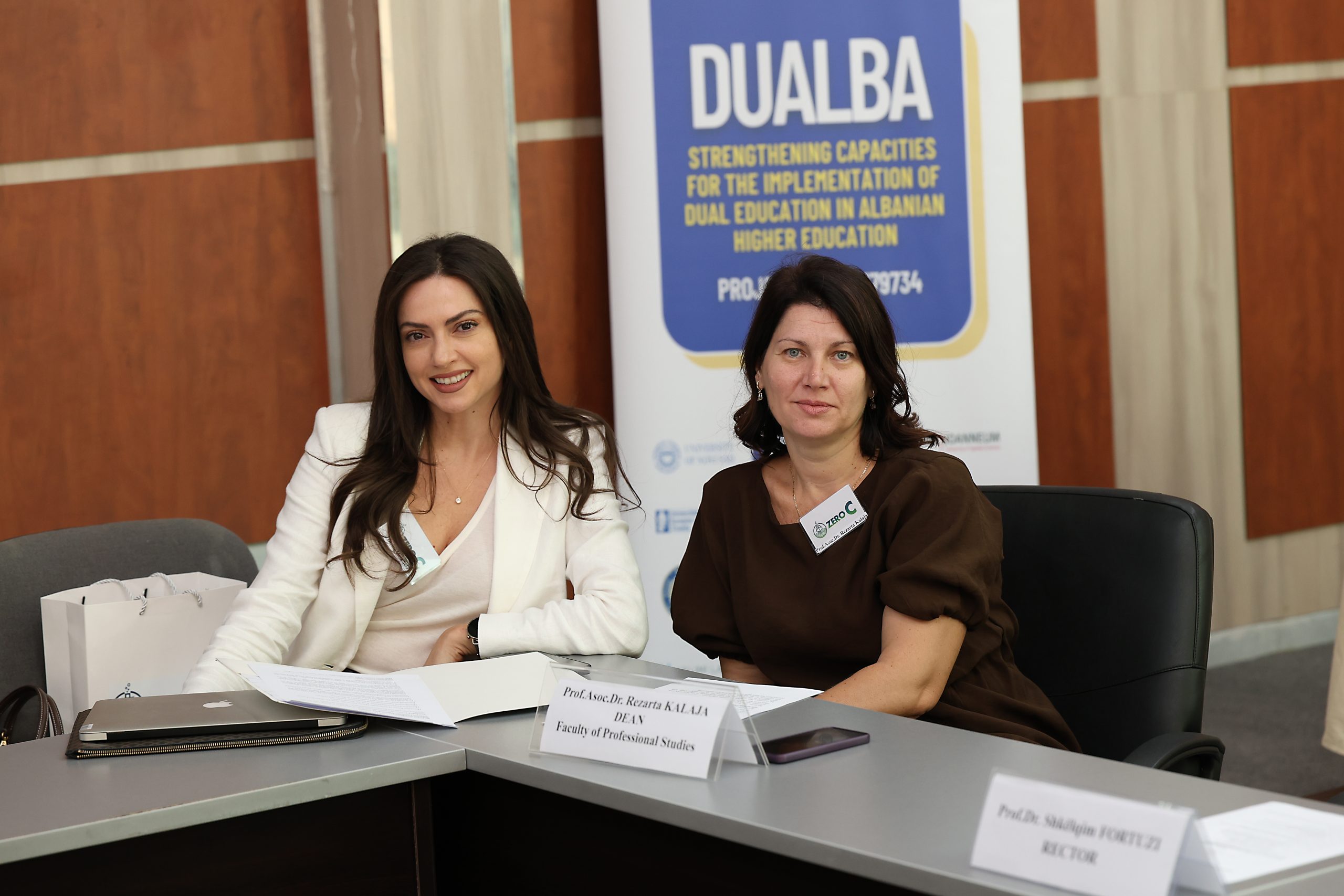
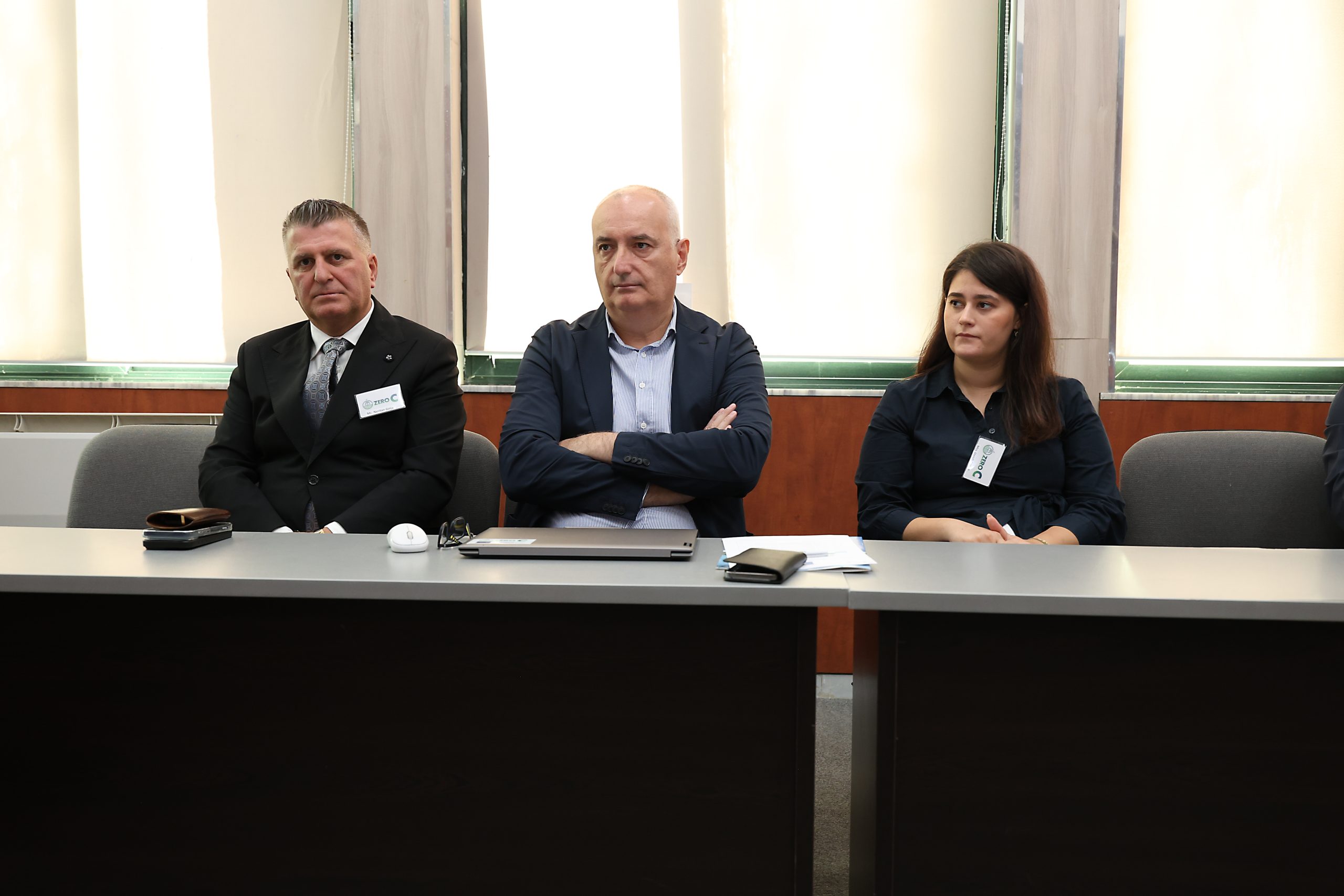
Aleksandër Moisiu University of Durrës (UAMD) successfully hosted the Final Conference of the Erasmus+ ZERO-C Project, bringing together international project partners to reflect on key achievements, evaluate project outcomes, and explore opportunities for continued cooperation in sustainable maritime education and transport.
The two-day event marked an important milestone in the ZERO-C journey, highlighting the project’s contribution to modernising maritime education, strengthening institutional capacities, and promoting decarbonisation and energy efficiency across the maritime sector.
Day One: Reviewing Achievements and Project Results
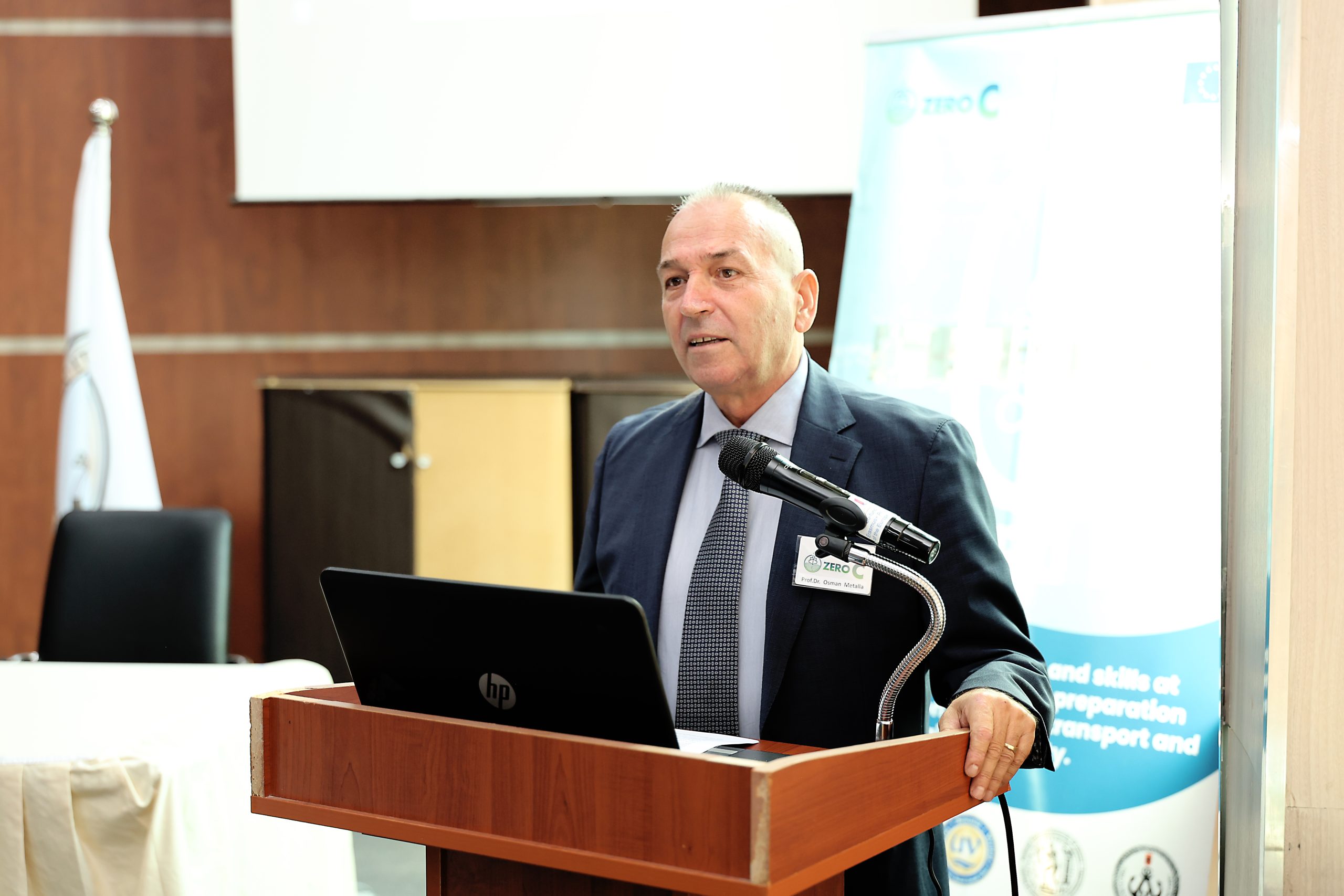
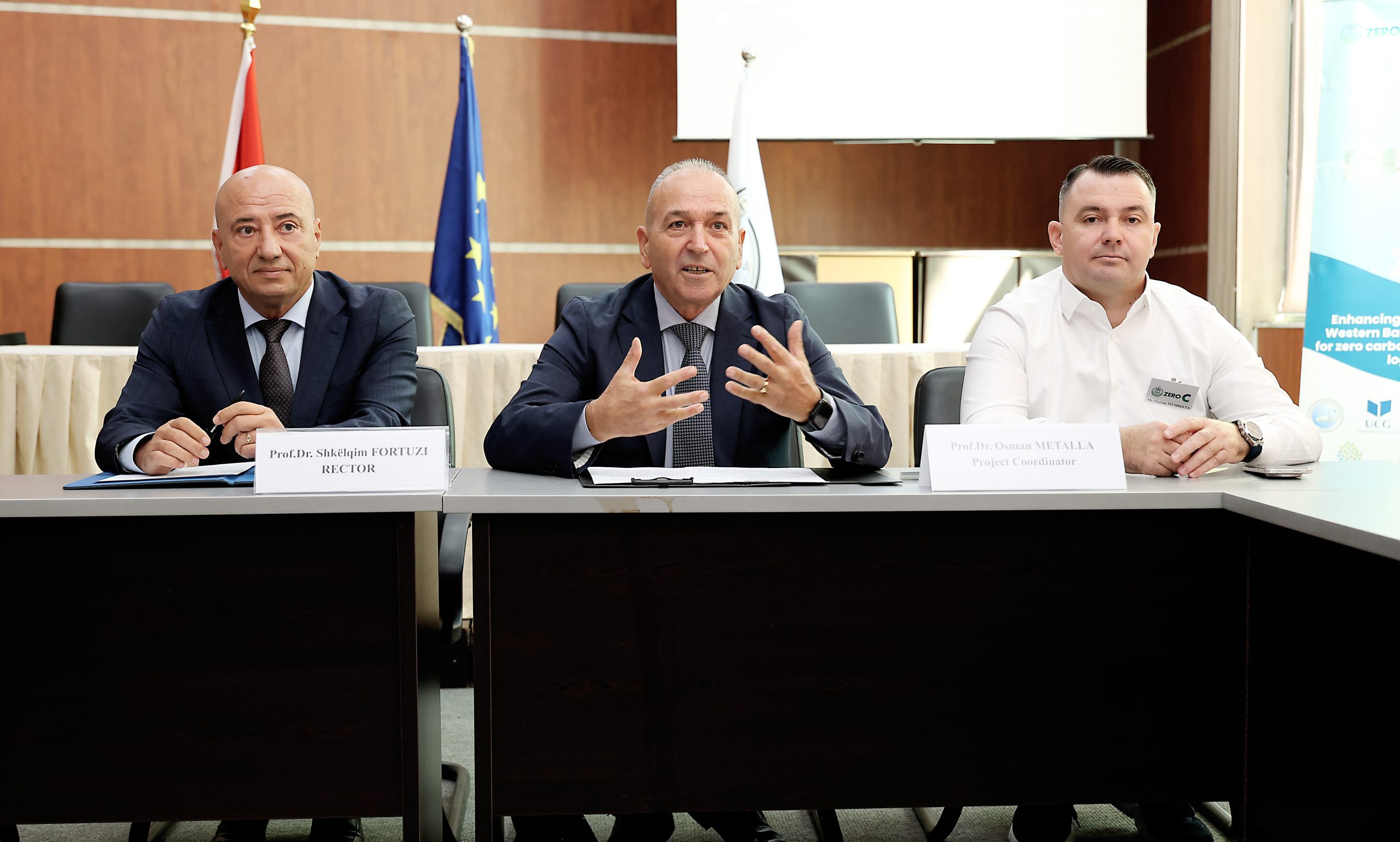
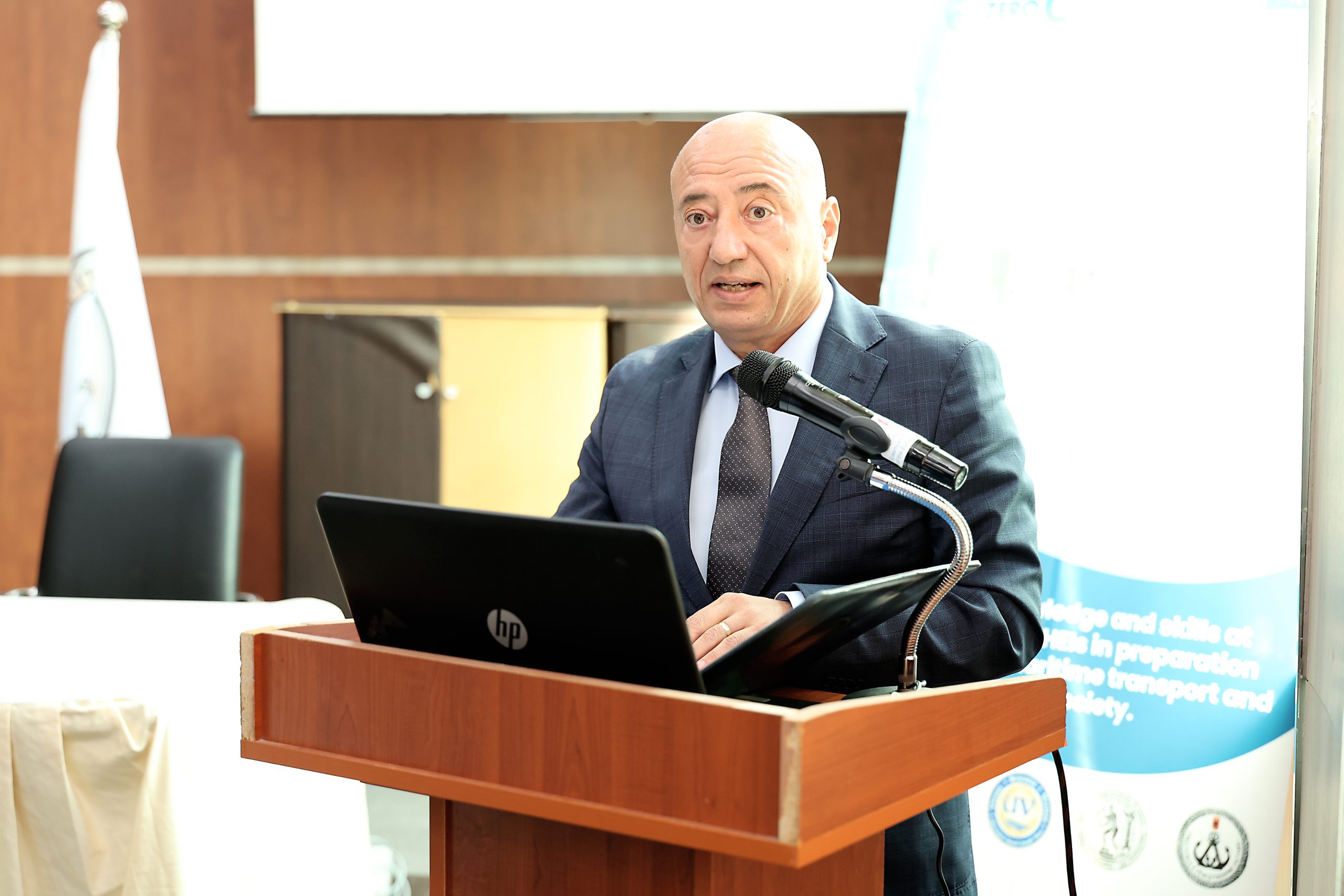
The conference officially opened with welcome addresses from Prof. Dr. Shkëlqim Fortuzi, Rector of Aleksandër Moisiu University of Durrës, and Prof. Dr. Osman Metalla, ZERO-C Project Coordinator, who highlighted the importance of international collaboration in addressing the challenges of the maritime sector’s green transition.
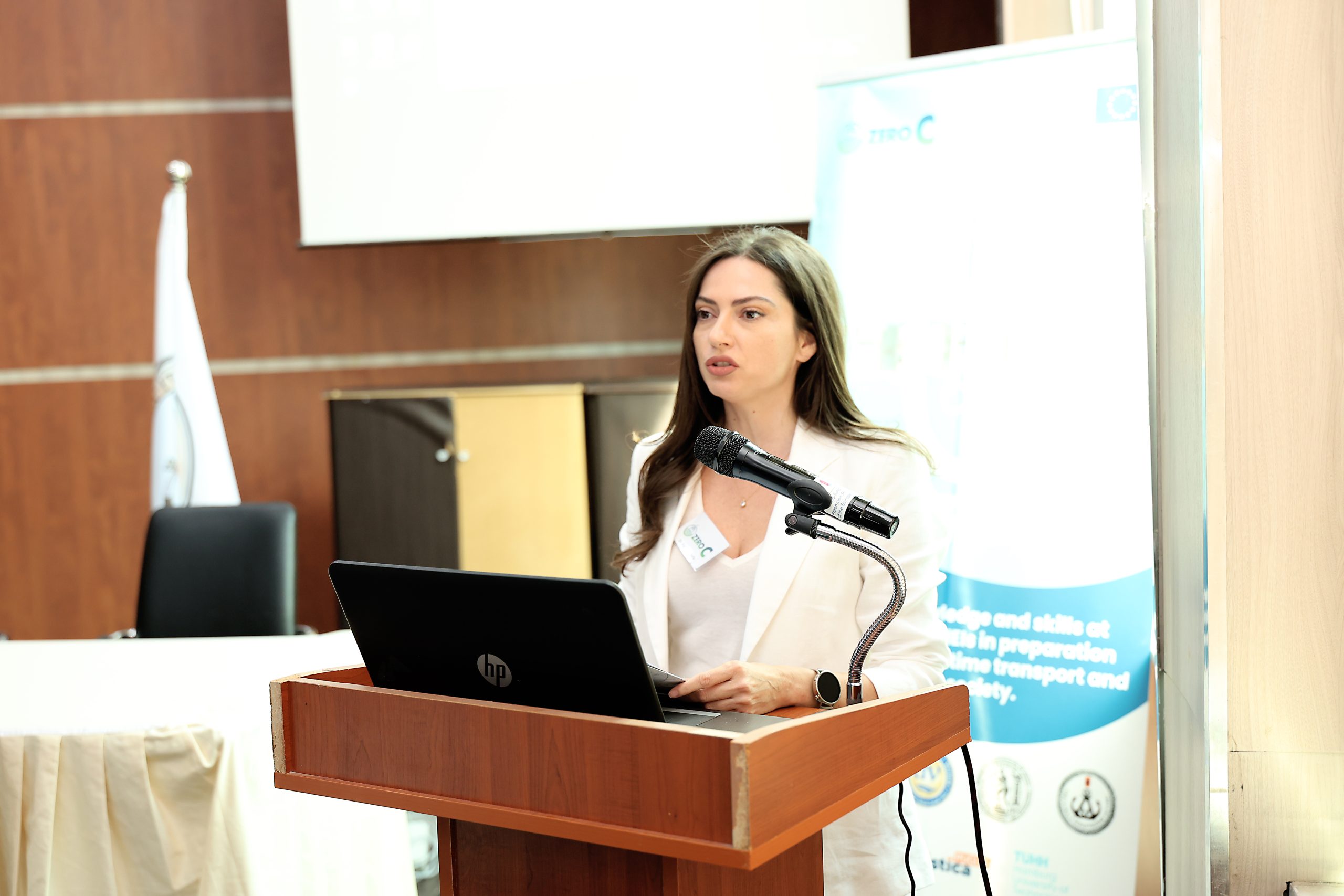
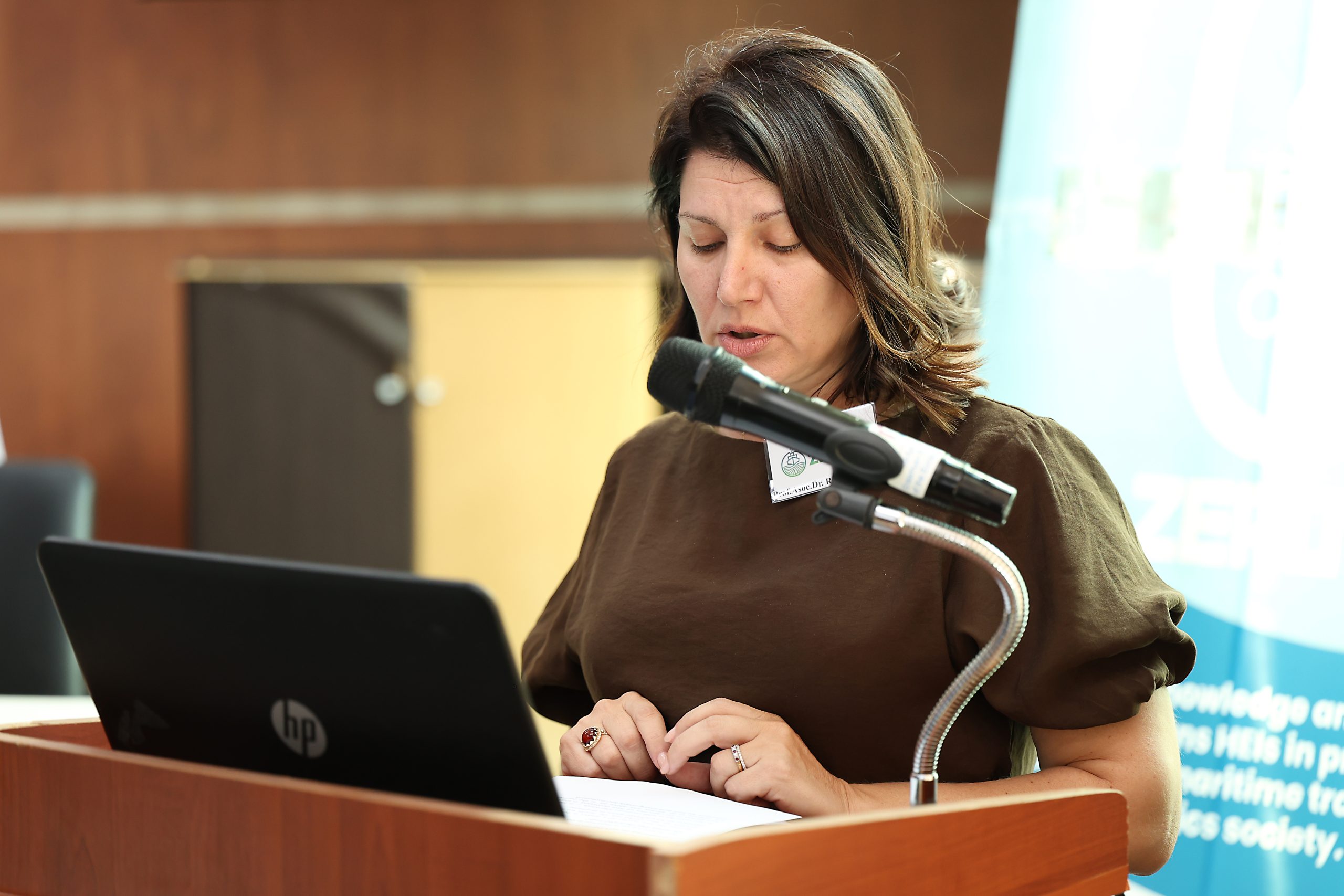
The first day focused on reviewing the project’s implementation, progress, and achievements across its key areas of activity. Partners presented developments related to project management, quality assurance, curriculum modernisation, communication, and dissemination.
Particular attention was given to the development and implementation of updated maritime curricula in Albania and Montenegro, incorporating essential topics such as marine power systems, ship technology and equipment, ship construction, sustainable maritime logistics, and energy efficiency.
Through presentations and discussions, participants reflected on how these educational improvements contribute to bridging the gap between academic knowledge and industry requirements, equipping future maritime professionals with skills aligned with the sector’s evolving needs.
Day Two: Sustainability, Future Cooperation and Long-Term Impact
The second day focused on evaluating project results, reviewing financial management and final reporting requirements, and discussing strategies to ensure the sustainability of ZERO-C achievements beyond the project’s completion.
A key discussion highlighted the new technological and simulation capacities established at UAMD, which will continue to support practical education, scientific research, and professional training.
Partners also emphasised the importance of lifelong learning programmes in strengthening the competencies of maritime professionals, particularly in areas related to decarbonisation, energy efficiency, and environmentally responsible maritime operations.
The discussions reinforced the shared commitment to maintaining strong connections between universities, public institutions, and maritime industry stakeholders, while identifying opportunities for future joint initiatives, research activities, and international partnerships.
A Lasting Legacy for Sustainable Maritime Education
The ZERO-C Final Conference represented more than the conclusion of a successful project. It provided an opportunity to celebrate a shared European vision for greener maritime transport and recognise the collective achievements made possible through international cooperation.
By modernising educational programmes, enhancing institutional infrastructure, and fostering knowledge exchange, ZERO-C has established a foundation for continued innovation and capacity building in the maritime sector.
Although the project is reaching its conclusion, its impact will continue through the educational resources, technological investments, professional networks, and partnerships developed throughout its implementation.
The ZERO-C consortium extends its sincere appreciation to all project partners, participating institutions, and stakeholders for their valuable contributions and commitment to building a greener and more sustainable maritime future.
ZERO-C: Our Journey Ends, Our Impact Sails On!
The ZERO-C Project (101128747) is co-funded by the European Union through the Erasmus+ Programme.